
Best Time To List in Indian Harbour Beach
December 18, 2025
December 18, 2025
Thinking about selling your Indian Harbour Beach home and wondering when to make your move? Timing can influence your final sale price, days on market, and how smooth the process feels. You want the strongest buyer pool and fewer hassles with weather or insurance. In this guide, you’ll learn the best months to list, how timing varies by property type, and a simple prep timeline to hit the market ready. Let’s dive in.
Indian Harbour Beach is a coastal market with distinct seasonal patterns. Local buyers are active year-round, but seasonal residents and out-of-state buyers are most present in winter and early spring. Families often aim to move before a new school year, which pushes many closings into late spring and early summer.
Weather also matters. Hurricane season runs from June through November, with activity often peaking August through October. Summer heat can make curb appeal and showings harder, while winter and spring bring mild weather that helps your landscaping, photos, and open houses shine.
For most sellers, the strongest listing window in Indian Harbour Beach is late winter through spring. That means targeting January to April. During this period you typically benefit from:
Listing outside the core of hurricane season reduces the chance of storm-related delays, insurance pauses, or last-minute inspection issues. Winter and spring are less disruptive and make repairs and exterior projects easier to schedule.
Seasonal residents and relocating buyers from northern states are more active in winter and early spring. If your home appeals to second-home or retirement buyers, this window expands your potential audience.
Many buyers with school-age children prefer to secure a home in spring and move in early summer. Listing in January through May positions you to meet that demand and close before the next school year starts.
Not every situation fits a spring launch. Here is how to think about the rest of the year:
Different properties draw different buyers. Tailor your launch to how your ideal buyer shops.
Most non-waterfront homes perform well with a late winter or early spring listing. If your home is sized or laid out for households with children, January to May is a smart target to support closing by early summer.
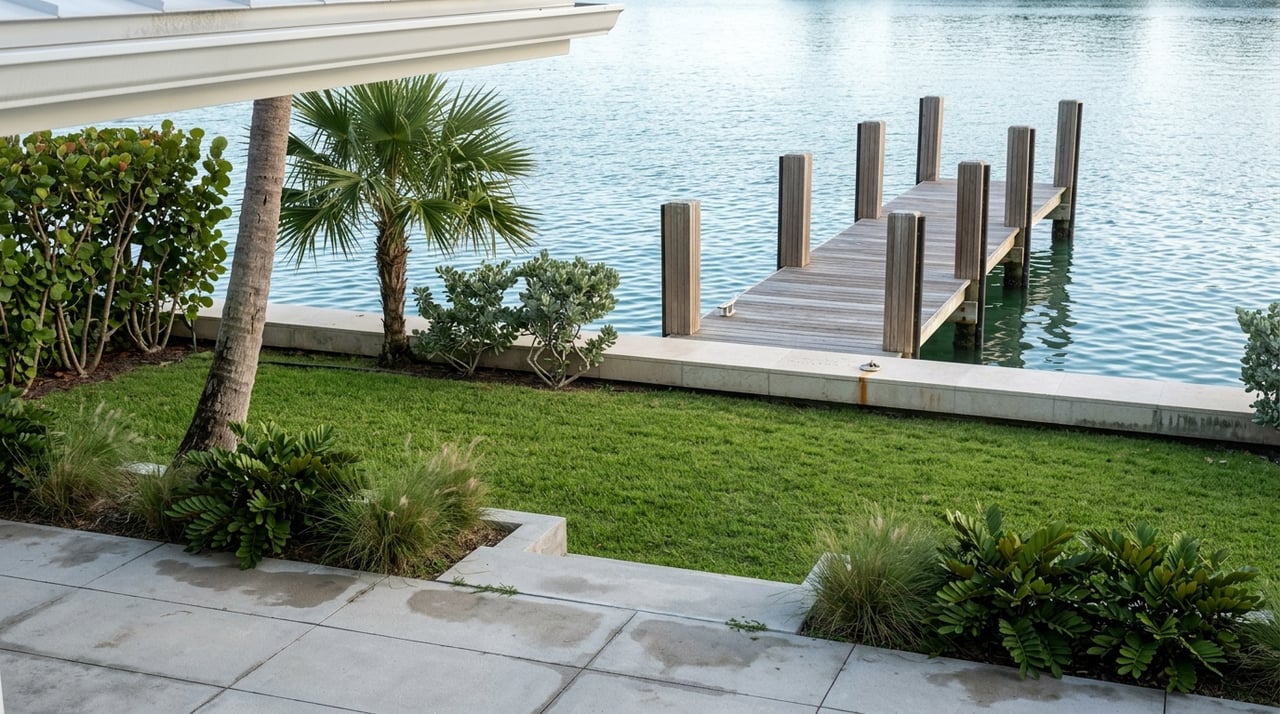
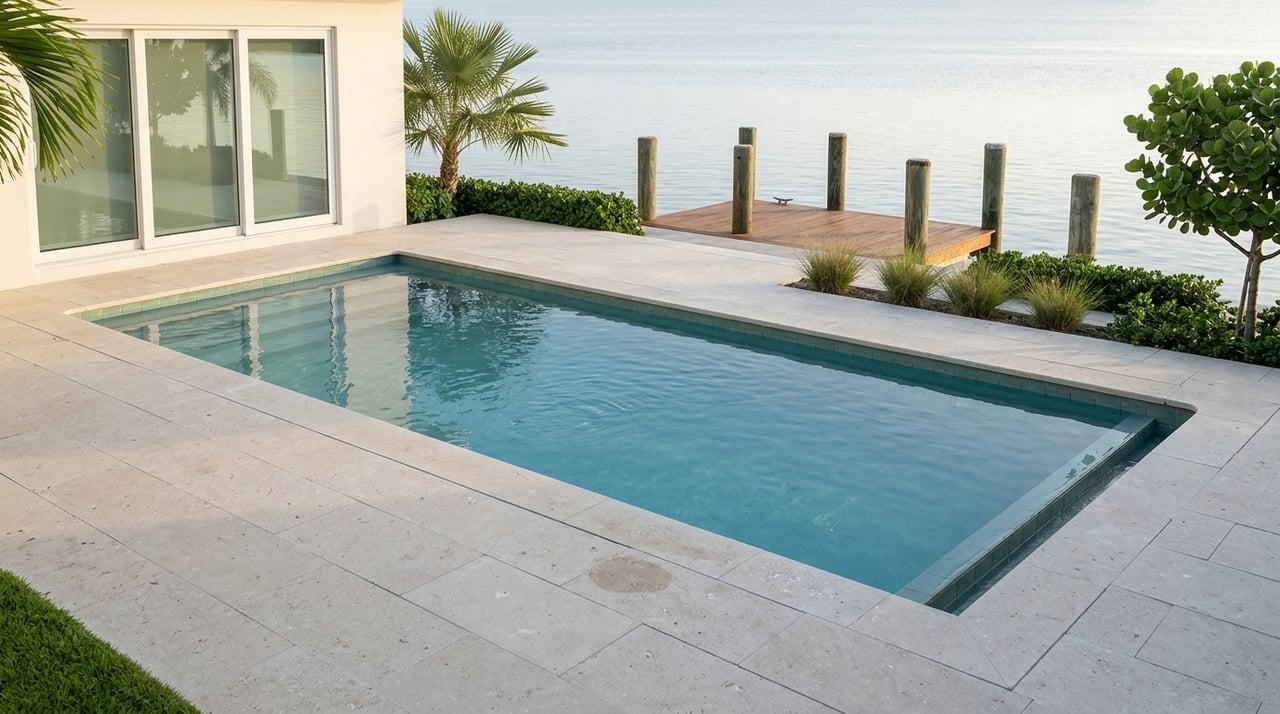
Canal-front, riverfront, and ocean-adjacent homes attract a more specialized pool of second-home buyers, retirees, and investors. Winter and spring expand this audience. Have wind-mitigation details, flood information, and elevation certificates ready. Listing outside peak hurricane months helps reduce closing risks.
Condos often see stronger demand in late winter and spring. Speed up decisions by preparing HOA documents, budget and assessment details, and any rental rules before going live. Some buyers prefer to close outside hurricane season due to insurance logistics, but demand still tends to rise in winter and spring.
Investors often buy ahead of peak rental periods. If your condo or home can be rented seasonally, timing a sale before winter and early spring can help investors hit high-occupancy months. Make sure local rental rules are clear to buyers.
Seasonality is powerful, but local conditions matter. Before setting your go-live date, review:
If inventory is tight, spring timing can magnify results. If the market cools, a sharp pricing strategy may matter more than the calendar.
A thoughtful plan can add thousands to your net and reduce stress. Use this checklist to stay on track.
Getting the first weekend right can set your momentum.
Many agents favor Tuesday through Thursday launches so buyers see your listing ahead of weekend tours. Ask your advisor how the local MLS syndication schedule affects visibility.
Schedule your first open house for the earliest weekend after going live. Avoid major local event weekends if you want more targeted, serious traffic.
If you must list in summer or fall, add extra protection and clarity.
Have current wind-mitigation and four-point or similar inspection reports ready for underwriting. If in a mapped flood zone, verify flood insurance details and provide any elevation certificates you have.
Build flexibility into closing dates and inspection windows. Keep recent condition photos and repair receipts handy. A little foresight can keep your deal on track even if weather shifts.
Calendar windows matter, but price strategy sets the tone. In a cooling market with higher inventory, a right-priced listing can outperform a mistimed launch. In a tight market, a well-prepared spring listing can attract multiple offers. Use fresh comps and on-the-ground data to fine-tune.
If you are targeting Indian Harbour Beach, aim for January to April whenever possible. Match your timeline to your property type, your buyers, and your personal plans. With the right prep and a thoughtful go-to-market strategy, you can secure a great offer and a smooth closing.
If you would like a personalized timeline and pricing plan, reach out to Milly Akins. Get your free home valuation and a step-by-step plan to hit the market with confidence.
Stay up to date on the latest real estate trends.


Milly is active in her community, loves spending time with her family and Belgian Malinois, and believes in helping others. She works with both buyers and sellers and is ready to show you what a seamless real estate experience feels like.