
Indialantic Appraisals: How Coastal Features Affect Value
January 8, 2026
January 8, 2026
Why does one Indialantic home command a big premium while a similar place a block away sells for less? On a barrier island, details like ocean access, view quality, elevation, and shoreline protection can swing value more than many interior features. If you are buying or selling, understanding how appraisers read these coastal cues helps you price with confidence and prepare the right documents. Here is how coastal features in Indialantic influence appraisals and what you can do to put your best foot forward. Let’s dive in.
Most single-family homes in Indialantic are valued with the sales-comparison approach. Appraisers study recent local sales and adjust for features such as direct oceanfront, view quality, private beach access, elevation, seawalls, and lot configuration. The cost and income approaches may support the analysis, but market reaction from comparable sales usually leads.
Appraisals for lending aim to estimate current market value. That differs from replacement cost or insurable value, which can diverge in coastal areas. Appraisers document observable conditions and reflect what buyers are paying today, rather than predicting distant changes unless the market is already reacting to them.
Lenders often ask for added items on coastal properties. Elevation certificates, flood-insurance details, and permitting records can influence financing and buyer demand, which ultimately affects value.
Direct oceanfront with unobstructed views and private beach access usually commands a premium. The size of that premium varies with demand, beach width, dune stability, and deeded rights. When comparing sales, subtle differences such as setback or a recorded access easement can matter.
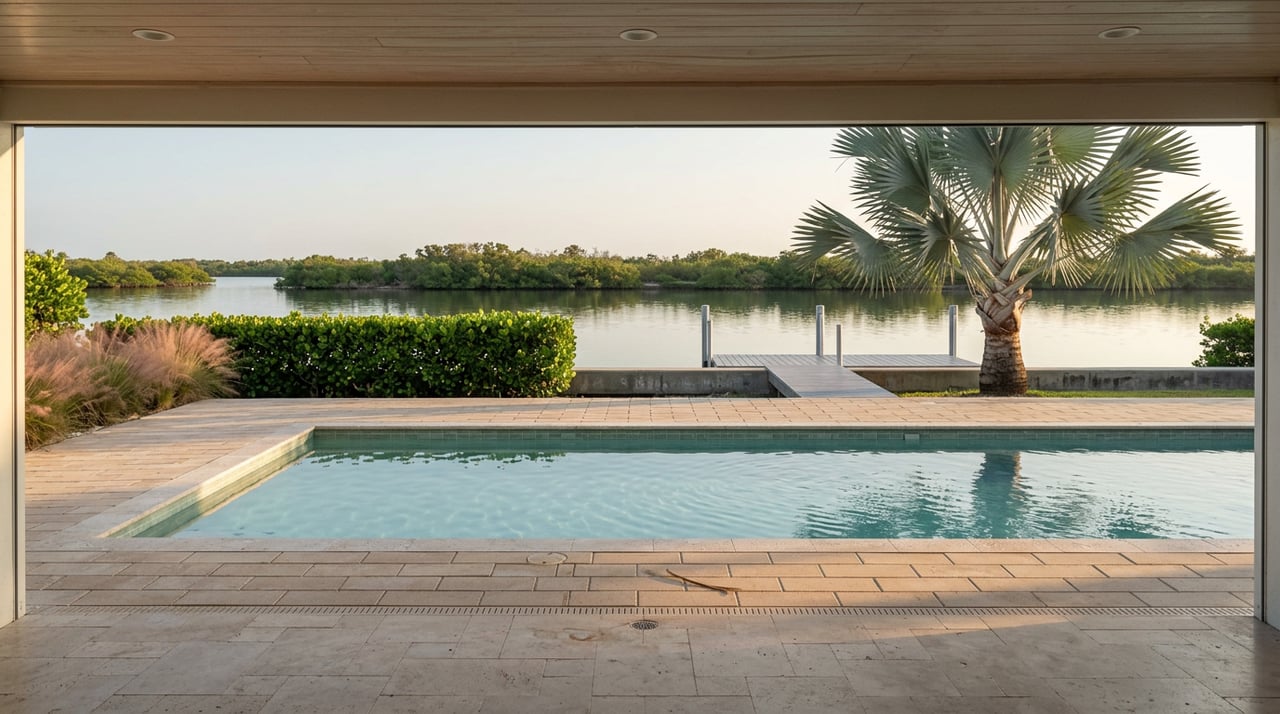
Unobstructed ocean views often add significant value. Views of the Indian River Lagoon can also be valuable, though the market may price ocean and lagoon views differently. Appraisers look at whether views are full, partial, or seasonal and adjust based on buyer reactions in recent sales.
Higher elevation and locations outside higher-risk FEMA zones tend to improve marketability and reduce insurance costs. Being in a V zone versus an AE zone can change insurance and construction considerations. Elevation certificates and Base Flood Elevation data help appraisers understand risk and likely carrying costs.
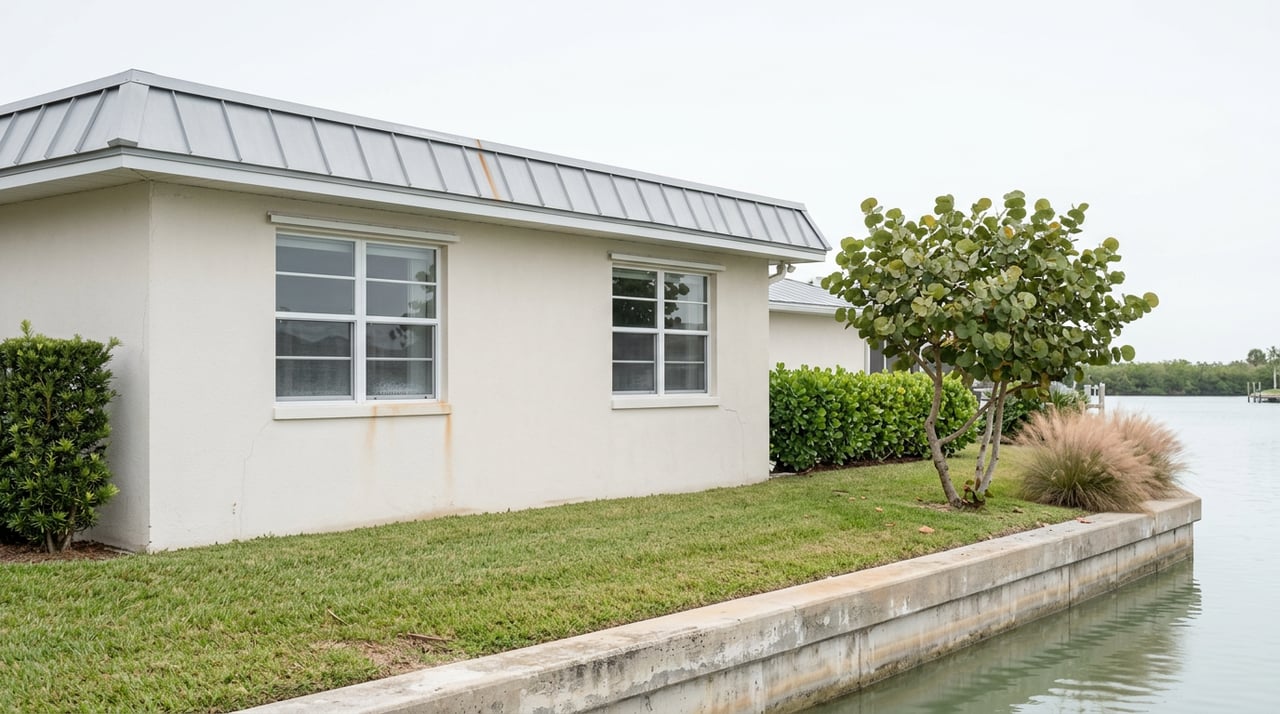
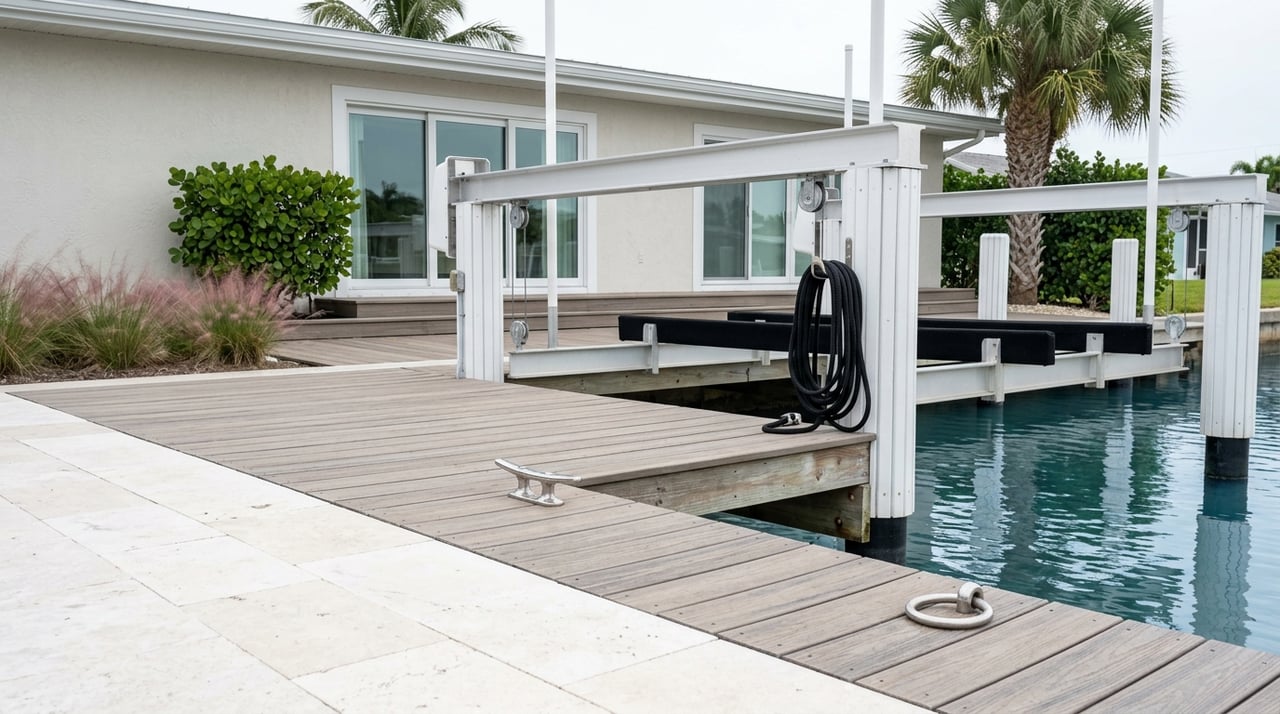
A permitted, well-maintained seawall can support value by reducing perceived risk. Aging or failing structures can lower value due to anticipated repairs and regulatory hurdles. Appraisers consider visible condition, permits, and whether any shoreline structures are grandfathered.
Healthy dunes and wider beaches support buyer confidence. A history of erosion or recent storm losses can reduce value until conditions stabilize. Appraisals rely on sales that reflect the current state of the beach, noting whether renourishment has occurred.
Recorded private beach access or exclusive use can set a property apart from those relying on public crossings. Proximity to public parking, parks, or services can influence desirability. Deeded rights should be documented so the appraiser can compare like with like.
Lots oriented for maximum views or with larger setbacks from the dune often trade at a premium. Narrow or constrained lots may face buildability limits, especially near the Coastal Construction Control Line. Appraisers note legal entitlements and how they affect utility.
Higher-risk flood zones often mean higher premiums and stricter lending requirements. Elevation certificates help establish lowest-floor elevation relative to Base Flood Elevation. These details influence affordability and can affect price.
Flood-insurance costs impact buyer budgets. Availability and pricing in the National Flood Insurance Program or private market can shift demand. Buyers and sellers benefit from gathering current quotes and any claims history.
Properties near or seaward of control lines may face extra permitting or building restrictions. Added cost and time can influence value and replacement options. Checking state and local records early helps you set realistic expectations.
Ongoing renourishment can support higher values by maintaining beach width. Uncertainty around funding or schedules may weigh on buyer confidence. Buyers and appraisers pay attention to recent projects and planned work.
Appraisals reflect current market behavior. If nuisance flooding or storm impacts are already affecting sales, that shows up in comps. Over time, changing conditions can shift buyer and lender behavior, which appraisers will capture through comparable sales.
Some loans carry stricter flood-insurance and escrow requirements. If financing is harder to obtain for a property’s risk profile, the buyer pool can shrink and value can soften. Sellers should anticipate different requirements for various loan types.
Have a clean package ready so the appraiser can confirm coastal features and risk factors:
Appraisers start with the best available comparables that match proximity to shore, view line, elevation, access, and condition. When possible, they use paired-sales analysis to isolate the difference a feature makes. If perfect pairs are unavailable, multiple sales and market patterns guide adjustments.
Some coastal risks are treated as external factors that affect marketability rather than something the owner can fix quickly. Appraisers document data sources, their reasoning for adjustments, and assumptions about insurability and permitting.
If your Indialantic home sits above Base Flood Elevation, includes a current elevation certificate, and has recorded private beach access, those facts typically support a higher appraised value. The exact premium depends on recent sales with similar elevation, access, and view quality. Expect the appraiser to rely on local comps to quantify the difference.
If you are planning to buy or sell on the barrier island, a clear plan and the right documentation make a real difference. For guidance tailored to your property’s coastal features and current market conditions, connect with Milly Akins. Hablo Español.
Stay up to date on the latest real estate trends.
Milly is active in her community, loves spending time with her family and Belgian Malinois, and believes in helping others. She works with both buyers and sellers and is ready to show you what a seamless real estate experience feels like.