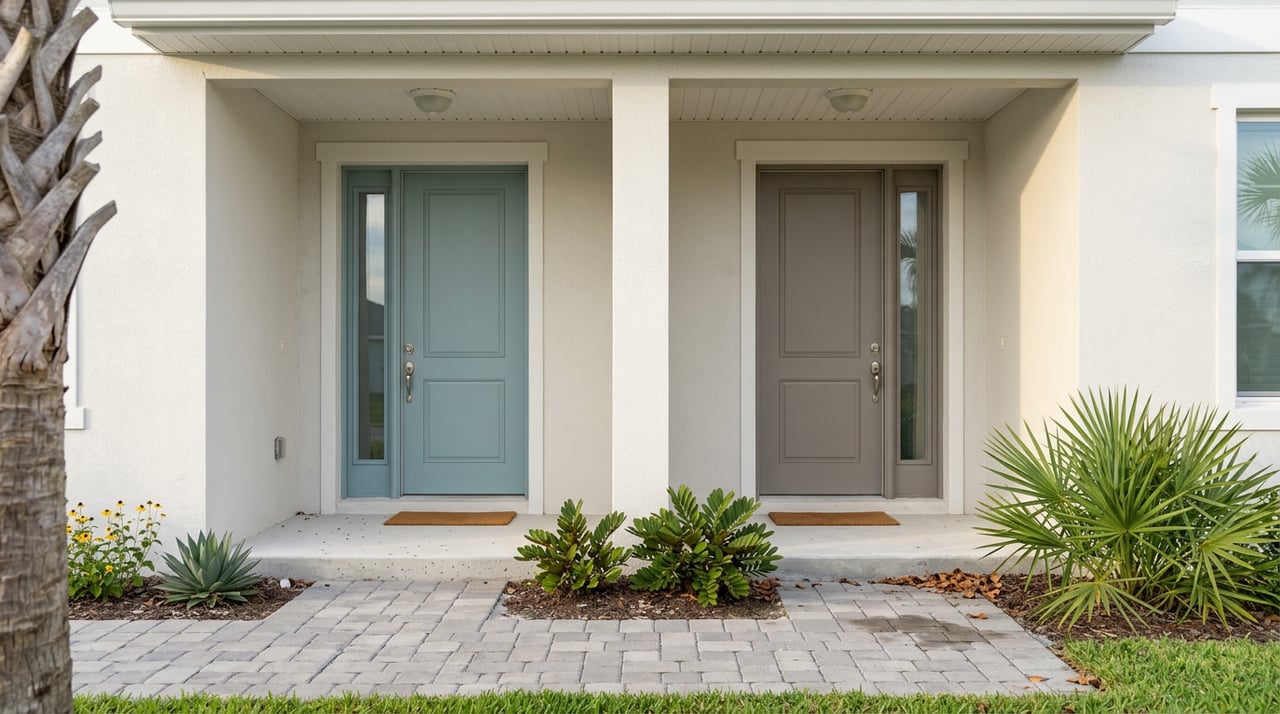
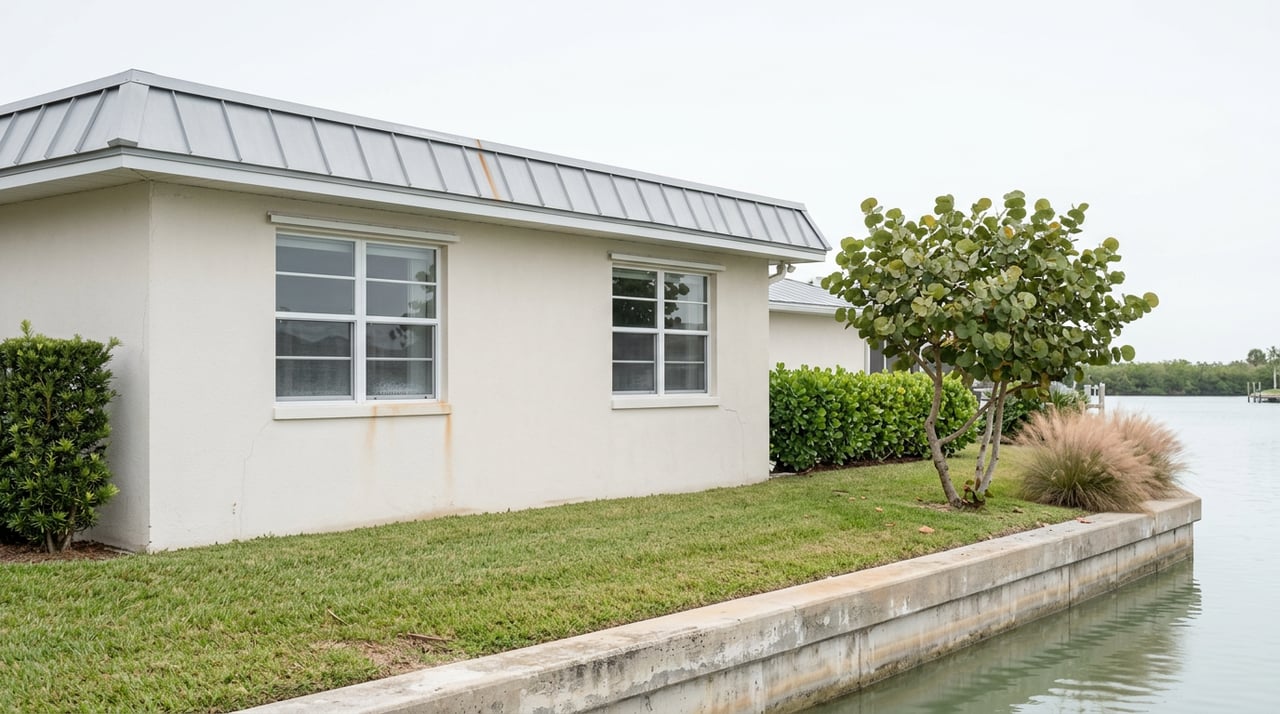
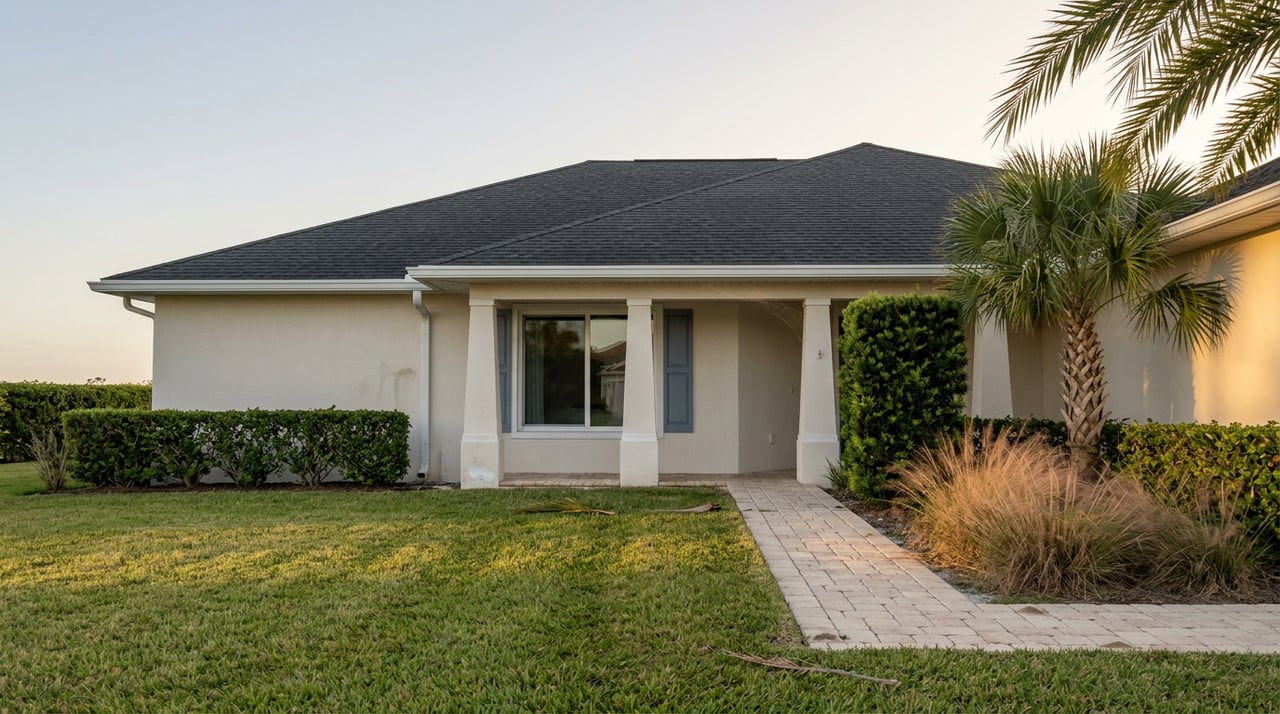
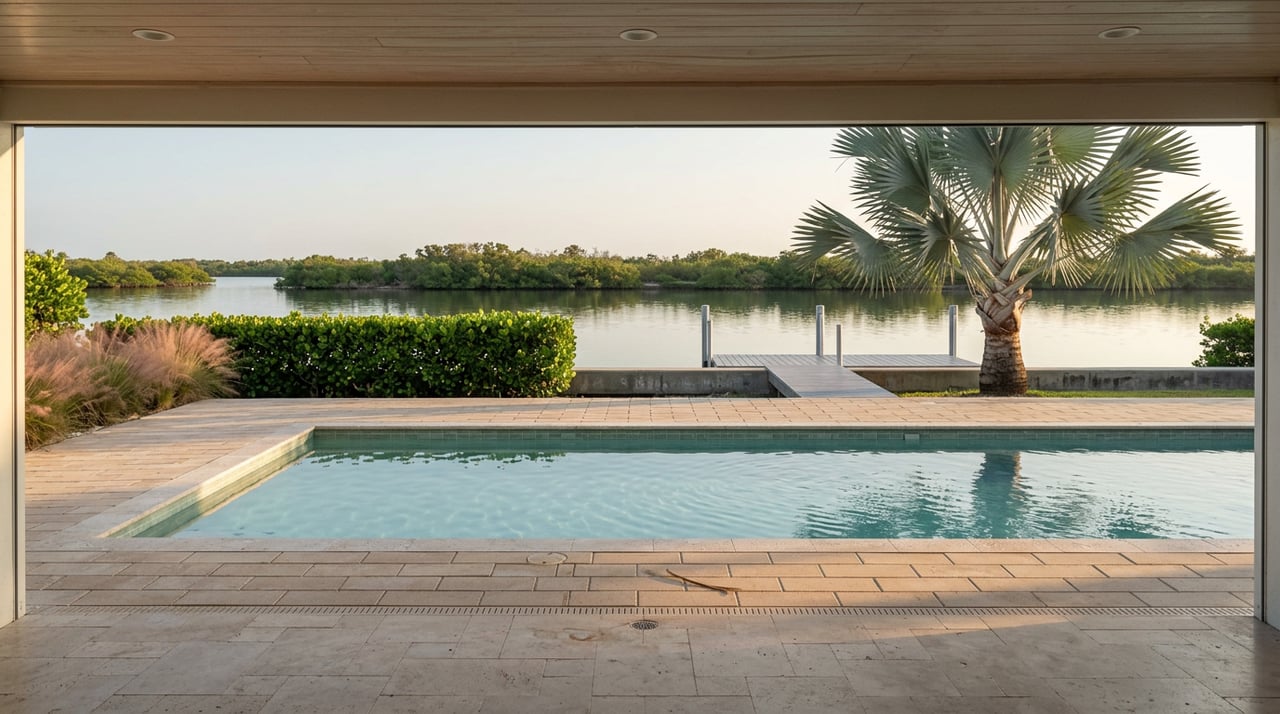
Trying to decide between a townhome or a condo in Indian Harbour Beach? You are not alone. On our barrier island, lifestyle, costs, and insurance can look very different from one community to the next. In this guide, you will learn how ownership works, what fees typically cover, how flood and wind risk affect insurance, and the key documents to review before you buy. Let’s dive in.
Indian Harbour Beach snapshot
Indian Harbour Beach is a small, coastal city where sales each month can be limited, so pricing can swing with a few transactions. Recent market trackers show a median sale price around $402,500 and a typical home value near $445,882. Treat those numbers as general context rather than a promise for any one building or street.
The city also has a larger share of residents 65 and older than Florida overall, which supports demand for lock-and-leave and seasonal living. You will see many listings designed for low upkeep and easy beach access. For a quick demographic snapshot, explore the neutral data at DataUSA’s Indian Harbour Beach profile.
If you plan to rent your place short term, note that the city runs a Vacation Rental Registration Program with required inspections. You can review the current rules and safety standards on the city’s Vacation Rentals page.
What you own: condo vs townhome
Condominium basics in Florida
With a condo, you typically own the interior of your unit and a shared interest in the building’s common areas. The association maintains the roof, exterior, structure, and many shared systems, and it carries a master insurance policy. Florida’s Condominium Act sets duties for associations, including insurance and record keeping. You can read the statute on association insurance responsibilities in Chapter 718.111. When you buy a resale condo, state law also requires specific disclosures and documents before closing, outlined in Section 718.503.
Townhome basics and why documents matter
“Townhome” describes a style, not a legal form. In Indian Harbour Beach you will find two common setups:
- Fee-simple townhomes with an HOA. You own the unit and the lot. The HOA may maintain some common areas, but you are often responsible for your roof, exterior, and insurance unless the documents say otherwise. These communities are generally governed under Chapter 720. See Florida’s HOA disclosure framework in Chapter 720, Part II.
- Townhouse-style condos. These look like townhomes but are recorded as condominiums, which means the association typically handles roof and exterior, and condo laws apply.
The takeaway is simple: always read what is recorded. A helpful primer on the difference between condo and townhouse ownership is this overview of condo vs townhouse structures.
Cost of ownership in IHB
Typical fee ranges you will see
In Indian Harbour Beach, monthly dues vary widely based on location and services:
- Oceanfront elevator condos commonly show dues in the range of about $500 to $1,000+ per month, especially when the fee covers building insurance, water, and amenities.
- Townhome communities that include exterior maintenance and amenities often post dues around $500 to $650 per month, though plans and inclusions differ.
- Small, limited-amenity HOAs can be lower, sometimes $150 to $250 per month.
These figures are representative examples from recent local listings and association statements. Always confirm the exact inclusions and current fee with the association.
Why fees vary locally
On the barrier island, oceanfront buildings carry higher wind and hurricane insurance costs and more frequent structural upkeep, particularly for concrete restoration. Amenities like pools, elevators, and on-site management also raise dues. Local market overviews of waterfront condos show higher per-square-foot prices and carrying costs along the ocean. For context on oceanfront dynamics, review this Compass waterfront market insights PDF.
Insurance and risk essentials
Condo master policy and your HO-6
Condo associations must maintain a master insurance policy and appraise coverage periodically under Florida law. As an owner, you will typically carry an HO-6 policy for interior finishes, personal property, liability, and loss assessment. Association deductibles for hurricanes can be significant, and some bylaws allow boards to assess owners for those deductibles after a storm. Read the master policy’s declaration page and deductibles closely. For the legal framework, see Chapter 718.111 on insurance duties.
Flood zones and elevation
Much of Indian Harbour Beach sits in coastal flood exposure areas. If your unit or building falls within a Special Flood Hazard Area, your lender will likely require flood insurance. Ask for the building’s elevation certificate and check the official federal maps at the FEMA Flood Map Service Center. A Letter of Map Amendment, if one exists, can change requirements for a specific property.
Reserve studies and milestone inspections
Florida now requires structural integrity reserve studies and milestone inspections for many condo buildings, especially those three stories or higher. These reports can lead to higher dues or special assessments when repairs are needed. The state’s DBPR provides buyer-facing answers in its Condominium FAQs. If you are considering a taller or older building, make these documents part of your early review.
Financing and resale impact
Warrantability and lending
Condo financing can be more complex than townhome financing. Lenders evaluate the project’s reserves, insurance, occupancy mix, and any litigation before approving a loan. Some buildings are labeled “non-warrantable,” which can limit loan options or require a larger down payment. Get clarity from your lender early, especially if you need FHA, VA, or conventional financing. This overview of Fannie Mae condo project ineligibility factors explains why project eligibility matters.
Who each option fits
- Condos, especially oceanfront, often suit buyers who prioritize low maintenance and amenities with a lock-and-leave lifestyle. Carrying costs can be higher because of master insurance and building upkeep.
- Townhomes often appeal if you want more privacy, a garage or small yard, and a feel closer to single-family living. Dues can be lower, but verify whether you or the HOA handle the roof and exterior.
Your choice should balance lifestyle, insurance comfort, and the building’s financial health.
Your due diligence checklist for IHB
Before you write an offer, line up the right documents and questions. Use this as a quick, local-ready list.
Documents to request
- Condos (Chapter 718): Declaration, Bylaws, Articles, Rules, current budget and financials, reserve study or SIRS, milestone inspection reports, master insurance declarations, board meeting minutes for the last 12 to 24 months, any notices of special assessments, and a litigation summary. Florida outlines condo resale disclosures in Section 718.503.
- HOAs and fee-simple townhomes (Chapter 720): CC&Rs, current budget and reserve information, rules on exterior maintenance and owner obligations, insurance details, meeting minutes, and any pending assessments. See Florida’s HOA disclosure requirements in Chapter 720, Part II.
- Safety and flood: Elevation certificate, any LOMA/LOMR, required milestone inspection reports for 3+ story condos, and proof of completed or scheduled repairs. Check flood status at FEMA’s official flood map portal.
- Rentals: If you plan to rent, collect the association’s rental rules and confirm compliance with the city’s Vacation Rental Registration Program.
Questions to ask the board or manager
- What exactly do monthly dues cover, and which utilities or services are included? Ask for a line-item budget.
- What are the current reserve balances, and when was the last reserve study or SIRS completed? Has the board voted to waive reserves?
- Are any special assessments planned or under discussion, and how will they be funded?
- Is there any active litigation or insurance renewal concern affecting the building?
- What are the rental rules and minimum lease terms? Is any short-term rental allowed, and how do owners comply with the city’s registration rules?
- What is the master insurance deductible for wind or hurricane, and can it be assessed to owners? Request the master policy declarations.
- What is the owner-occupancy ratio, and does the project meet agency warrantability standards for loans?
Red flags that merit expert review
- Low or waived reserves, recent large structural assessments, unanswered milestone findings, insurance cancellation or difficult renewals, safety-related litigation, and a high share of investor-owned units. For context on inspection and reserve requirements, see the DBPR’s condo FAQs.
Quick decision guide
Use these simple filters to move toward the right fit:
- Choose a condo if you want minimal exterior upkeep, access to amenities, and a true lock-and-leave lifestyle. Expect higher dues, detailed document review, and shared exposure to master policy deductibles under Chapter 718.111.
- Choose a fee-simple townhome if you value private outdoor space and potentially lower monthly dues. Confirm in writing whether you or the HOA cover roof, exterior, and insurance, and review the HOA disclosures in Chapter 720.
- In either case, verify flood zone, elevation certificate, and any required inspections at the FEMA flood map portal, and ask your lender to pre-check project eligibility using agency guidelines similar to those summarized here for Fannie Mae project standards.
When you pair the right ownership type with a financially sound community, you set yourself up for smoother living and stronger resale.
Ready for local guidance?
If you want a clear, step-by-step path to the right townhome or condo in Indian Harbour Beach, reach out to Milly Akins. You will get high-touch, bilingual support, organized document review, and local insight across the Space Coast barrier islands, from oceanfront condos to tucked-away townhome communities.
FAQs
What is the main difference between a condo and a townhome in Florida?
- A condo is governed by Chapter 718 where you own the unit interior and share common elements, while a townhome may be fee-simple under Chapter 720 or a condo by law, so the recorded documents determine who maintains roof, exterior, and insurance.
How do condo association insurance and owner policies work in Indian Harbour Beach?
- The association carries a master policy, and you typically buy an HO-6 for interiors and loss assessment; review deductibles and coverage defined in Chapter 718.111.
Do I need flood insurance for an IHB condo or townhome?
- If your property is in a Special Flood Hazard Area, lenders usually require flood insurance; confirm the status using FEMA’s Flood Map Service Center and request the building’s elevation certificate.
What documents should I review before buying a condo in IHB?
- Request the declaration, bylaws, rules, current budget, reserve study or SIRS, milestone reports, master insurance declarations, meeting minutes, and any assessment or litigation notices per Section 718.503.
Are short-term rentals allowed in Indian Harbour Beach condos or townhomes?
Why can condo loans be harder to get than townhome loans?
- Lenders review the building’s reserves, insurance, occupancy mix, and litigation; if a project is non-warrantable, you may face higher down payments or limited loan choices as explained in Fannie Mae project guidelines.
What fee ranges should I expect in IHB communities?
- Oceanfront condos often run about $500 to $1,000+ per month, amenity-rich townhomes around $500 to $650, and smaller HOAs closer to $150 to $250, but always verify inclusions and current figures with the association.