Buy And Sell In Indialantic Without Losing Sleep
March 24, 2026
March 24, 2026
Is the idea of buying your next Indialantic home while selling your current one keeping you up at night? You are not alone. Coordinating both sides can feel overwhelming, especially on a barrier island where inventory is tight and timing matters. This guide gives you a clear plan tailored to Indialantic so you can move with confidence, protect your finances, and keep your life running smoothly. Let’s dive in.
Indialantic sits in a higher-price, lower-inventory pocket of Brevard’s barrier islands. That means the right plan matters more here than in many inland areas. Countywide summaries show a stabilized market with months of supply in the low single digits for single-family homes, which can tilt slightly toward sellers depending on the price range. For context on current county trends, review a recent Space Coast update from local experts, then ask for a live CMA for your specific property and price band for the most accurate picture.
You might see different median prices or days on market across popular listing portals. Those platforms pull from different data sources and update on different schedules. The most reliable day-to-day view is the local MLS and your agent’s analysis. Use public dashboards for broad trends, but base pricing, timing, and offer strategy on a current CMA and active competition.
Your best path depends on cash flow, risk tolerance, and the speed of your target segment. Here are the three main options in plain English.
You list your home, accept an offer, and then buy. This gives you the strongest financial certainty and avoids carrying two mortgages. It also compresses your buying timeline, so you will want a clear plan for temporary housing or a post-closing occupancy if needed. In price bands with healthy inventory, this can be a smooth approach.
You purchase your next home before selling your current one. This makes your offer stronger and gives you time to prep your current home for top-dollar presentation. It usually requires cash, a bridge loan, or a HELOC, and you might carry two loans for a short period. Talk with your lender early to confirm costs and underwriting.
You buy your next home contingent on selling your current one. This protects you financially, but it is typically the weakest offer in competitive listings. If you use this path, tighten timelines and keep your price and terms strong. Learn how sellers view contingencies and kick-out clauses here: contingent offer basics and kick-out clauses.
Getting your financing lined up early is the single best way to lower stress.
A bridge loan is a short-term loan that covers the gap until your current home sells. These are considered temporary financing, with terms that vary by lender and are often repaid within about 12 months. Expect higher costs than a standard mortgage and more underwriting scrutiny. Read the CFPB’s definition of temporary financing under Ability-to-Repay rules: CFPB Regulation Z, Section 1026.43.
A HELOC or home equity loan can be cheaper than a bridge loan and more flexible for down payment funds. Keep in mind, lenders typically count the HELOC payment as a liability when qualifying you for the new mortgage, which can affect how much you can borrow. See how lenders view simultaneous obligations in the CFPB’s official commentary: CFPB Interp-43 guidance.
If you can buy in cash or close with funds from a rapid sale, you avoid short-term borrowing and contingencies. Most people do not have that liquidity, but some plan to sell first and then buy with proceeds. If that is you, consider negotiating a rent-back so you are not rushed.
Buying and selling near the ocean introduces a few extra boxes to check. Getting ahead of these will save time and money.
If a lender determines a property sits in a FEMA Special Flood Hazard Area, the lender will require flood insurance. An Elevation Certificate often helps set National Flood Insurance Program rates and can materially lower premiums if it shows the structure is above the Base Flood Elevation. Ask the seller for any existing certificates and get quotes early. Review FEMA’s guidance for buyers and agents: FEMA flood and Elevation Certificate overview.
In Florida, hurricane deductibles are commonly percentage-based options, and certain wind-mitigation features can reduce premiums. Talk with a local insurance agent early about roof attachments, opening protection, and documentation you can use for credits. Learn more here: Florida hurricane deductible and consumer protections.
Oceanfront or near-beach parcels may fall near the Coastal Construction Control Line, which affects what you can build or repair. Before planning major work, confirm the property’s relation to the CCCL and ask about any recent beach nourishment. Explore the Florida DEP mapping resources: Florida CCCL map and references.
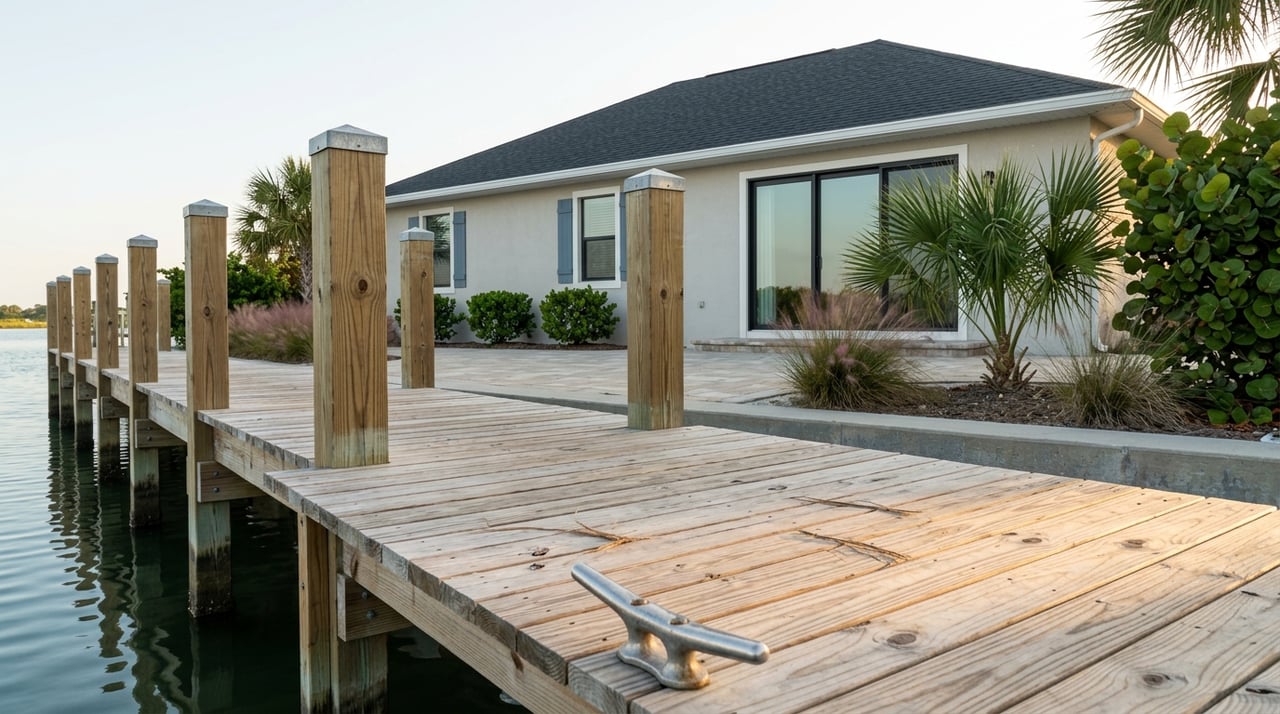
The Town of Indialantic manages building permits and inspections, so contact the Building Department early for questions about remodels, seawalls or docks, and any moving or parking rules that could impact showings and moving day. Start here: Town of Indialantic Building Department.
Salt air, wind, and water exposure deserve special attention. Bring in pros who know coastal systems.
Small, high-ROI updates help homes sell faster and for more. The data-backed basics are consistent: declutter, depersonalize, neutral paint where needed, fresh landscaping, and professional photos timed for the best light. See an evidence-based overview of staging benefits and costs: staging overview.
For occupied homes, set a showing schedule that protects your routine. In beach season, ask your listing agent about the best windows to show and consider a short offsite stay for open houses. If your move requires large trucks or street parking, call the Town to confirm any restrictions before booking movers.
Most financed purchases take about 30 to 45 days to close on average nationwide, while cash deals can finish faster. Complex underwriting, bridge loans, or simultaneous HELOCs can extend those timelines. For a national snapshot, see this overview of closing times: how long closings take.
Sell first
Buy first with bridge or HELOC
Contingent offer
Tip: Ask both sides to target the same-day or same-week closing. If the seller of your next home needs time to move, a temporary occupancy or rent-back can help. Make sure terms are clear in writing and reviewed by your agent, and consult an attorney if you want extra legal assurance.
You can buy and sell in Indialantic without losing sleep when you have a clear plan, the right financing, and a local advisor who handles the details. If you want a personalized game plan, polished listing presentation, and calm coordination from offer to closing, reach out to Milly Akins. Get your free home valuation and a step-by-step move strategy tailored to your timeline.
Stay up to date on the latest real estate trends.


Milly is active in her community, loves spending time with her family and Belgian Malinois, and believes in helping others. She works with both buyers and sellers and is ready to show you what a seamless real estate experience feels like.