Melbourne Home Sellers' Timeline From Decision To Keys
April 23, 2026
April 23, 2026
Wondering how long it really takes to sell your home in Melbourne, FL? If you are trying to line up your next move, manage a family schedule, or avoid last-minute surprises, timing matters just as much as price. The good news is that you can plan for a smooth sale when you understand each stage ahead of time. Let’s walk through a realistic Melbourne home seller’s timeline from decision to keys.
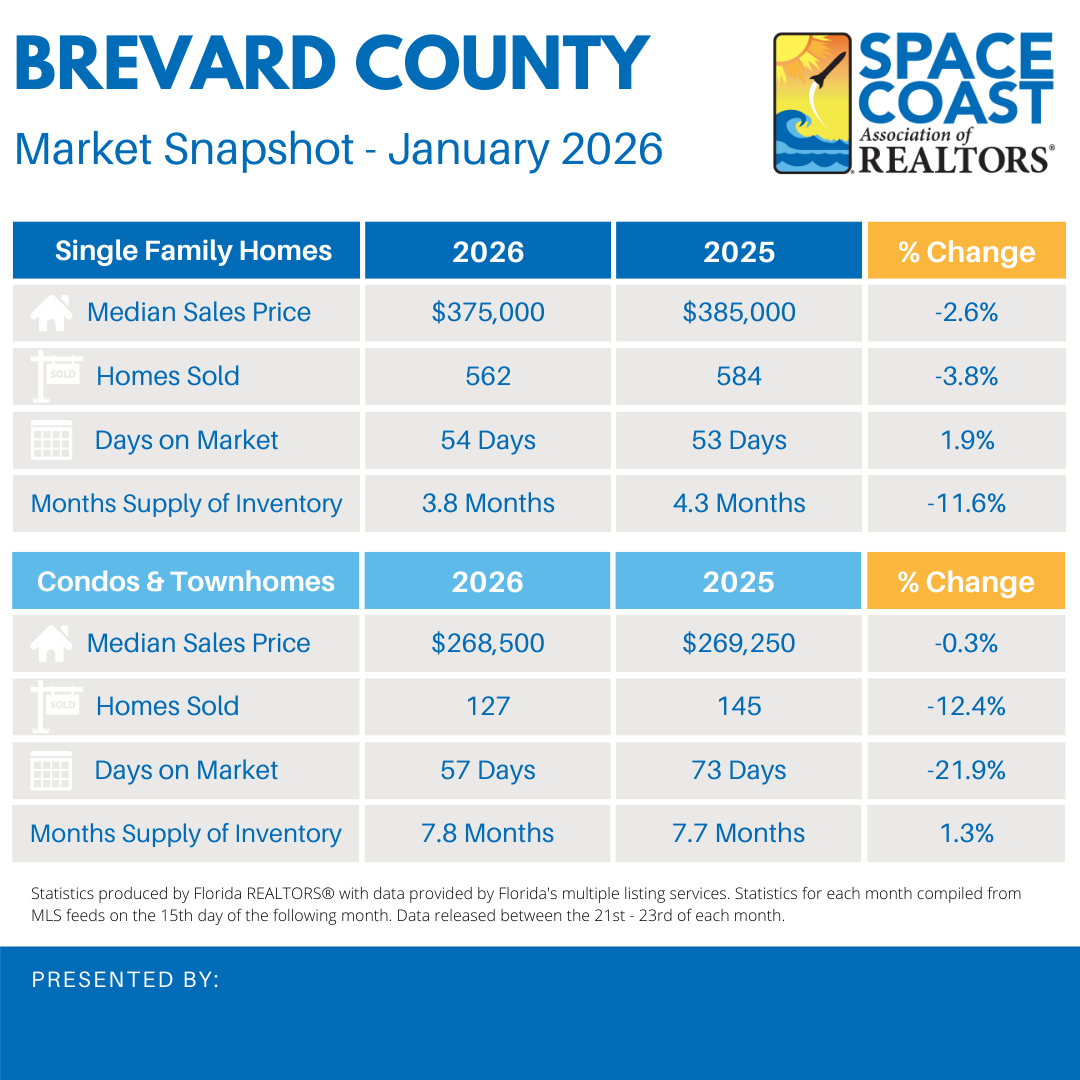
In today’s Brevard County market, most sellers should plan for about 3 to 5 months from decision to closing on a financed sale. That estimate reflects the current local pace, where single-family homes averaged about 54 to 58 days on market in early 2026, while condos and townhomes often took longer with higher inventory, according to the Brevard market report.
That does not mean every home takes exactly the same amount of time. A well-prepared single-family home may move faster, while a condo, a home with repairs, or a property affected by storm-season delays may take longer. If your sale involves financing, it is also helpful to remember that closings often happen 30 to 90 or more days after contracts are written.
The first stage begins the moment you decide to sell. This is when you want to get clear on value, timing, and what your home may need before it hits the market. In Melbourne, where the market is steady but not ultra-fast, this early work can have a real impact on how smoothly your sale unfolds.
A smart first step is a valuation and pricing strategy. Pricing is not something to figure out at the last minute. In a market with moderate days on market and different conditions for single-family homes versus condos, your launch price helps shape how quickly you attract serious buyers.
During this phase, focus on the items that can delay a sale later if ignored now:
If your property is in a condo or HOA community, start association paperwork early. Florida Realtors explains that estoppel certificates help confirm what fees or assessments are owed, and they are generally effective for 30 days if delivered electronically or 35 days if mailed. That makes timing important, especially if your listing process moves quickly.
This is not the most exciting part of selling, but it is one of the most important. Florida requires sellers to disclose known facts that materially affect the property’s value and are not readily observable. Florida disclosure guidance also notes that flood disclosure is required at or before contract execution, and pending code-enforcement actions must be disclosed in writing with supporting documents.
For many Melbourne-area sellers, flood-related questions come up early. That is especially true for coastal, waterfront, and nearby properties where buyers often want more clarity around flood zones and insurance. Having those details ready can save time and reduce stress once offers come in.
If your home is near the coast, canalfront, waterfront, or in an area with flood risk, gather these documents as early as possible:
Brevard County’s floodplain office is the official repository for FEMA flood maps, and the county notes that flooding is the area’s most frequent hazard. The county also notes that flood insurance usually carries a 30-day waiting period before it takes effect, which is one more reason to avoid leaving flood-related questions until the last minute.
Once pricing and paperwork are underway, it is time to get your home market-ready. This is the stage where decluttering, light repairs, cleaning, staging, photography, and final listing prep all come together. If you want a strong first impression, this step deserves real attention.
In a balanced or moderate market, first impressions matter. Buyers are more likely to compare options carefully, especially in segments with more inventory. That is one reason a polished launch can help you avoid extra time on market.
Most sellers move through a checklist like this:
Permit questions can be especially important if you have completed additions, pool work, dock work, or other improvements. The Florida Realtors residential contract language shows why sellers should address permit issues early instead of waiting for the inspection period.
If you want to target spring buyers, plan backward. Florida Realtors reported that the market was moving toward the spring buying season, and Brevard’s March data showed rising closed sales alongside fewer new listings. That suggests sellers may benefit from starting prep several weeks before they hope to hit the market.
Once your listing is live, the next milestone is securing an accepted offer. In the current Brevard market, many single-family homes may take roughly 4 to 8 weeks to find the right buyer, based on the local pace reflected in the market data.
Condos and townhomes often need more time. Inventory has been materially higher for that segment, which can mean more competition and a longer selling window. If you are selling a condo in Melbourne, it is wise to build extra patience into your plan.
Several factors can speed up or slow down this phase:
This is where preparation pays off. A clear price, a strong presentation, and quick responses to buyer questions can help keep momentum moving in the right direction.
Once you accept an offer, the transaction becomes much more deadline-driven. In many financed sales, this stage often takes about 30 to 45 days, though some closings take longer depending on financing, inspections, title work, or property-specific issues.
The current Florida Realtors AS IS contract helps explain why this stage usually takes weeks, not days. The form defaults to a 15-day inspection period, a 30-day loan approval period, and a 5-day window for the buyer to apply for financing if the blanks are left empty.
After you go under contract, the process usually includes:
Title work also starts during this stage, not on closing day. The contract expects title evidence before closing, which is why questions about ownership, liens, permits, or association items should be addressed as early as possible.
The most common reasons this phase stretches include:
For remote sellers or busy families, this is the part where organized communication matters most. A clear timeline and fast document turnaround can make a big difference.
Closing day is the final step, but there is still a checklist to follow. Under the Florida Realtors AS IS contract, the seller delivers occupancy and possession at closing and turns over keys, garage openers, access devices, and codes.
That means your move-out plan needs to line up with your closing date. If you are buying another home, relocating, or coordinating movers from out of town, this is where a well-managed timeline really helps.
Melbourne sellers should also plan around hurricane season. NOAA states that the Atlantic hurricane season runs from June 1 through November 30, with peak activity from mid-August through mid-October. Brevard County also notes that coastal tidal flooding is a chronic shoreline issue.
If you are selling during that window, give yourself more flexibility with packing, move-out dates, and closing expectations. That is especially important for waterfront, barrier-island, and flood-zone properties, where weather-related issues can affect inspections, insurance, and logistics.
Here is the easiest way to think about your sale:
| Stage | Typical Time Range |
|---|---|
| Decision to prep and list | 1 to 3 weeks |
| Launch to accepted offer | 4 to 8 weeks for many single-family homes |
| Accepted offer to closing | About 30 to 45 days in many financed sales |
| Total planning estimate | About 3 to 5 months |
This is a planning guide, not a guarantee. Still, it gives you a much more useful framework than hoping your sale will happen instantly.
The biggest mistake many sellers make is treating pricing, prep, documents, and timing as separate decisions. In reality, they all connect. The more organized you are at the start, the easier it is to launch confidently, respond to buyer questions, and keep your closing on track.
If you are thinking about selling in Melbourne or anywhere in Brevard County, starting with a local valuation can help you build the right timeline for your home, your property type, and your move. For personalized guidance and a warm, organized selling experience, connect with Milly Akins.
Stay up to date on the latest real estate trends.



Milly is active in her community, loves spending time with her family and Belgian Malinois, and believes in helping others. She works with both buyers and sellers and is ready to show you what a seamless real estate experience feels like.