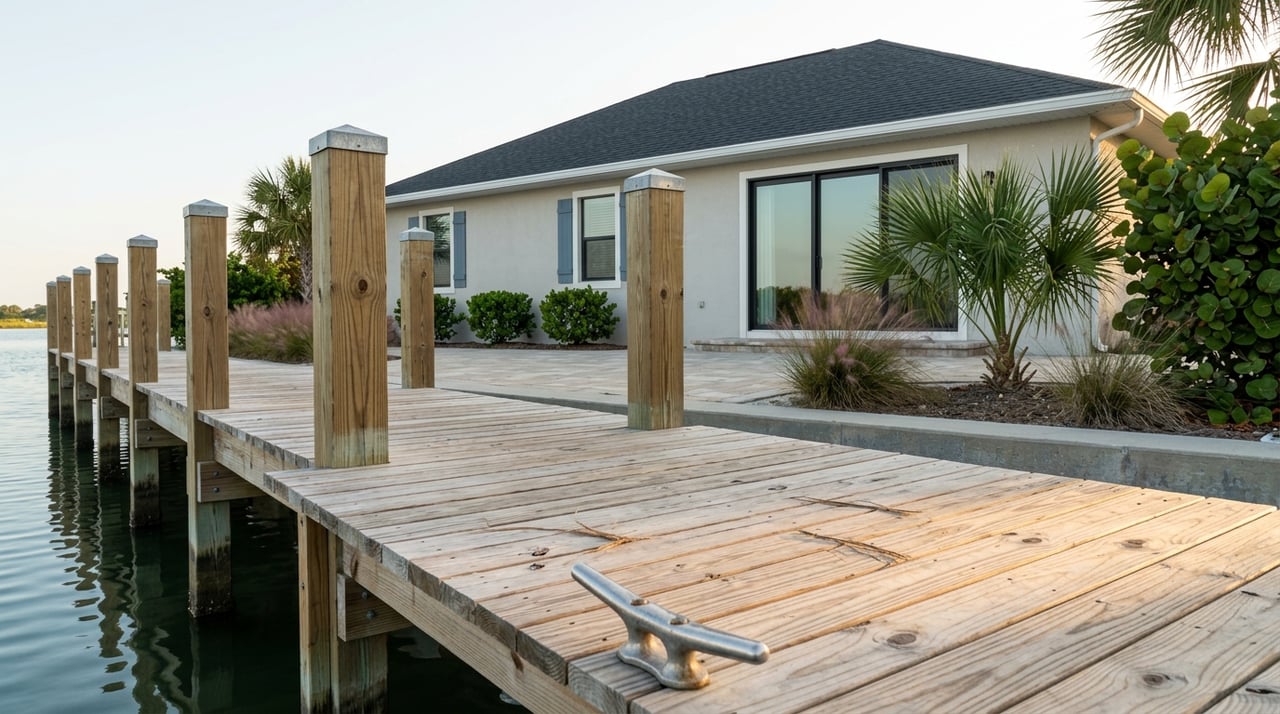
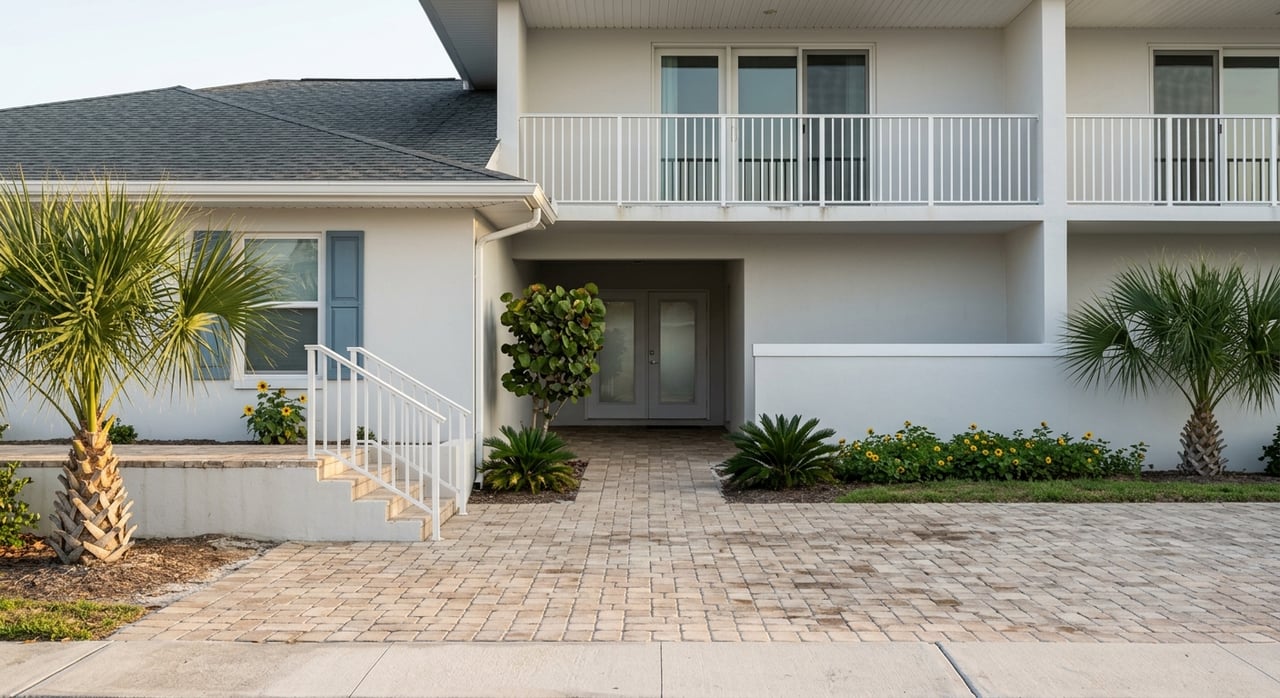
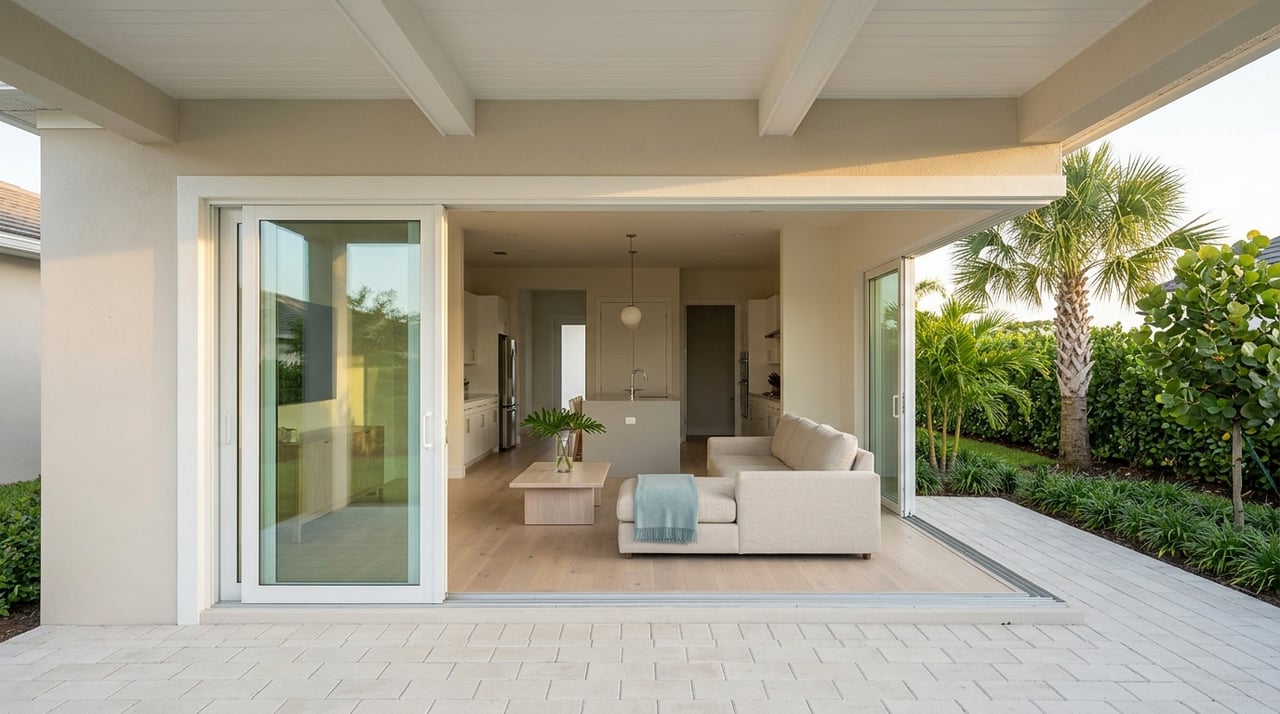
Dreaming of sunrise surf sessions and rocket launches lighting up the night sky, but not sure if a Cocoa Beach condo or a beach house fits your life best? You’re not alone. Many buyers weigh lifestyle, costs, and risk before they choose. In this guide, you’ll get a clear side-by-side look at maintenance, insurance, financing, rental potential, and local rules that matter on our barrier island. You’ll also get a simple checklist you can use on any property. Let’s dive in.
Cocoa Beach snapshot
Cocoa Beach sits on a barrier island along Florida’s Space Coast. You’ll find a mix of year-round residents, seasonal visitors, and vacation rentals drawn to the beaches and the Kennedy Space Center. The coastal setting also brings salt air, wind, and storm exposure that affect maintenance and insurance.
Recent years brought big demand across coastal Florida. Conditions have been normalizing, but costs like insurance and interest rates still shape the market. For any offer, plan to review current comparable sales and days on market for the specific building or street you’re targeting.
Condo vs. beach house at a glance
- Condos: Lower hands-on upkeep and shared amenities. You will have HOA fees and rules. Financing can be more complex and special assessments can occur.
- Beach houses: More privacy and control with a yard and garage. You take on all upkeep and may see higher insurance costs and larger one-time repairs.
Costs you will carry
Buying on the coast is about both the purchase price and the long-term costs.
- Condos:
- Monthly HOA fees vary by age, amenities, and reserve funding. Fees often cover exterior maintenance, roof, common area insurance, landscaping, pool, elevators, and sometimes cable or internet.
- Expect the possibility of special assessments after storms or deferred maintenance. Ask for the reserve study and claims history.
- Beach houses:
- Often lower or no HOA fees, but you cover everything outside and structural: roof, siding, HVAC, yard, utilities, and any private seawall or shoreline work.
- Budget for big-ticket items that come with salty, humid conditions.
Tip: Compare by total monthly cost, not just purchase price. Pull recent comps for the exact building or neighborhood before you decide.
Insurance on a barrier island
Insurance is a key part of the decision in Cocoa Beach.
- Flood insurance: Many properties fall within FEMA flood zones. Lenders often require flood coverage. Premiums depend on flood zone, elevation, construction type, and claims history. Get NFIP and private flood quotes early.
- Wind and hurricane: Named storms may carry percentage deductibles. Condo associations typically carry a master policy for the exterior and common elements, while unit owners maintain an HO-6 policy for interior buildout and personal property. Single-family owners usually need an HO-3 policy for the dwelling plus wind coverage if separate. Always confirm coverage and deductibles.
- Availability and underwriting: Coastal properties can face higher premiums and stricter underwriting. Do not wait until the final week to secure quotes.
Financing considerations
Financing a condo can be different than financing a single-family home.
- Condos: Lenders and programs may require project approval and minimum owner-occupancy or financial ratios. Older or investor-heavy buildings can limit loan options. Underwriting often reviews HOA reserve levels, budgets, and any litigation.
- Beach houses: Typically fewer project-level restrictions. Standard income, asset, and property condition guidelines apply.
Ask your lender upfront about condo project approval or any address-specific requirements.
Maintenance and time use
Your time and tolerance for upkeep matter.
- Condos: Exterior and common areas are handled by the association or on-site management. This can be ideal for part-time living or lock-and-leave ownership. Expect rules on renovations, pets, rentals, and noise.
- Beach houses: You control the property and can customize more easily. You also own the repairs, from roof to seawall. The coastal environment accelerates wear on metals, paint, windows, and mechanicals.
Lifestyle and use cases
How you plan to use the property should guide your choice.
- Full-time living: Many full-time residents prefer the space, privacy, and yard of a single-family home. You can store boards, bikes, and beach gear with ease.
- Part-time or weekend place: Condos often shine for low-maintenance living near the Pier, restaurants, and shops.
- Short-term rentals: Vacation demand is strong, but rules vary. Some condo buildings restrict or forbid short stays. The city and county have licensing, registration, tax, and occupancy rules. Always verify association rules and local requirements before counting on rental income.
Local factors to check in Cocoa Beach
Being on a barrier island brings unique conditions.
- Flood zones and elevation: Confirm the FEMA flood zone and request an Elevation Certificate. Elevation affects insurability and cost.
- Storm hardening: Ask about impact windows and doors, roof age and type, hurricane straps, and any wind mitigation features that could lower premiums.
- Shoreline and dunes: Learn about the condition of dunes and any seawall or revetment. Ask for maintenance records and permits. Periodic beach renourishment and dune projects may affect long-term shoreline stability.
- Building age and systems: For condos, look into roof history, elevator reliability, concrete and balcony condition, and any prior hurricane repairs.
- Utilities and drainage: Confirm sewer versus septic, stormwater drainage, and whether the property has had saltwater intrusion or drainage issues.
Parking, storage, and everyday convenience
- Condos: Expect assigned spaces, rules for guests, and limited storage. Confirm policies for owners and renters.
- Beach houses: Driveways and garages are common and make it easier to store boards, kayaks, and beach wagons.
Resale and exit strategy
- Condos: Walkable beachfront units can sell well when inventory is tight. Very high HOA fees or poorly funded reserves can hurt resale. Review association financials and assessment history.
- Beach houses: Value is strongly tied to exact location, elevation, dune setback, and view. Condition and storm resilience also drive pricing.
Buyer checklist for Cocoa Beach
Use this list on any condo or beach house you are considering.
Documents and history
- Seller disclosures and any prior inspection reports, including flood or hurricane claims.
- Condos: HOA budget, reserve study, meeting minutes, master insurance policy, special assessment history, litigation disclosures, declaration and bylaws, rental policy.
- Houses: Any HOA covenants if applicable, shoreline or seawall permits, and maintenance records.
Insurance and risk
- Flood and wind quotes specific to the property and structure type.
- For condos: Clarify what the master policy covers and what your HO-6 must cover, including any loss assessment exposure.
- Ask about named storm deductibles and vacancy rules.
Financing and title
- Condo project approval requirements and current status for your loan type.
- Any outstanding assessments or liens.
- Lender flood zone requirements.
Physical inspections
- Condos: Building envelope, roof, balconies, elevator systems, pool and plumbing, visible corrosion from salt air.
- Houses: Foundation or pilings, elevation, seawall or shoreline, roof, impact openings, siding, HVAC, drainage, and any moisture issues.
Rentals and occupancy
- If rental income matters, confirm association and city rules, occupancy limits, tax registration, parking allowances, and cleaning or management costs.
Neighborhood fit
- Distance to beach access, the Pier, groceries, and services. Note traffic patterns and common noise sources such as nightlife or launch viewing areas.
- Confirm parking capacity for guests and renters when relevant.
Which one fits your life?
- Choose a condo if you want low-maintenance, lock-and-leave living close to amenities. This suits part-time residents, downsizers, or anyone who prefers to let the association handle exterior upkeep.
- Choose a beach house if you value privacy, space, and flexibility to customize. This suits full-time living, larger households, and owners who want room for gear and guests.
- If short-term rental income is part of your plan, both can work. Condos can perform well near the beach when short stays are allowed. Single-family homes can command higher nightly rates for larger groups, but operating costs and turnover can be higher. Always verify rules and run realistic numbers.
Ready to compare real properties and run numbers with a local expert who understands both the oceanfront and the neighborhoods just across A1A? Reach out to Milly Akins for a friendly, organized game plan. Bilingual support is available if you prefer to talk through details in Spanish.
FAQs
Will my Cocoa Beach condo HOA cover hurricane damage?
- Ask for the association’s master policy to see exactly what is covered on the exterior and common elements. You will likely need an HO-6 for your interior and personal property, and you may be responsible for loss assessments.
How much will flood insurance cost for a Cocoa Beach property?
- Cost depends on flood zone, elevation, structure type, and prior claims. Get quotes from the NFIP and private flood insurers early so you can compare options before you write an offer.
Is financing harder for condos than for beach houses in Cocoa Beach?
- Often yes. Many lenders and loan programs require condo project approval and minimum owner-occupancy and financial standards. Single-family homes typically avoid those project-level hurdles.
Can I do short-term rentals in Cocoa Beach?
- It depends on the property. Confirm both condo association rules and city or county licensing, registration, tax, and occupancy requirements before relying on rental income.
What coastal risks should I focus on during inspections?
- For condos, focus on the building envelope, roof, balconies, and elevator systems. For houses, look closely at elevation, foundation or pilings, roof, impact openings, drainage, and any seawall or shoreline conditions.
How can I reduce hurricane insurance premiums on the Space Coast?
- Ask your insurer about mitigation credits for impact windows, doors, roof-to-wall connections, and other hardening features. Wind mitigation inspections can help document credits.
What affects resale value most in Cocoa Beach?
- For condos, association finances and fees can influence buyer interest. For houses, elevation, dune setback, view, and storm resilience matter, along with condition and exact location.