Sticker shock from condo fees is common in Cocoa Beach. You see two similar buildings, but one monthly fee is double the other, and it is hard to tell if you are overpaying or getting real value. You deserve to know exactly what those dues cover, why they vary on the coast, and how to read them like a local. In this guide, you will learn what typical Cocoa Beach condo fees include, what they do not, the Florida rules that shape them, and a simple checklist to review before you buy or sell. Let’s dive in.
What condo fees cover in Cocoa Beach
Condo fees pay for the shared parts of the property that all owners use. The association creates a budget and divides costs among owners based on the governing documents. Exact line items vary by building, so always confirm with the declaration, bylaws, and current budget.
Everyday operations and utilities
- Common-area utilities such as hallway and exterior lighting, pool pumps, and sometimes elevator power.
- Water, sewer, and trash. Some buildings are master metered and include these in the dues. Others bill owners separately. Always verify what utilities your fee includes.
- Routine building upkeep like exterior painting, roof patching, balcony and concrete repairs, and maintenance of common windows or doors if defined as common elements.
- Landscaping, irrigation, tree trimming, and storm debris cleanup after weather events.
- Pool, spa, and clubhouse maintenance, plus janitorial services for lobbies and corridors.
- Elevator service contracts and inspections.
- Pest control, including termite monitoring which is important in Florida.
- Security services, gate systems, and common-area cameras.
Insurance and risk management
- The association’s master property policy that covers the structure and common elements as defined in the condo documents.
- Liability coverage for common areas, plus directors and officers and fidelity coverage to protect association funds.
- Hurricane and wind deductibles. In Florida, master-policy deductibles are often large and may be allocated to owners based on the governing documents. Ask how deductibles are handled and whether reserves are set aside for them.
Management and professional services
- Management company fees, accounting, and legal counsel as needed.
- Annual audits or financial reviews, bank fees, and insurance broker services.
- Reserve study preparation and ongoing reserve-account management.
Reserves and big projects
- Savings for major components such as roofs, elevators, painting, pavement, plumbing, HVAC for common areas, and seawalls or docks where applicable.
- Capital projects are typically paid from reserves. If reserves are low, associations may levy special assessments.
Extras you might see
- Bulk cable or Internet contracts that can offer cost savings but increase monthly dues.
- Maintenance for boat slips, garages, or storage areas if these are common elements.
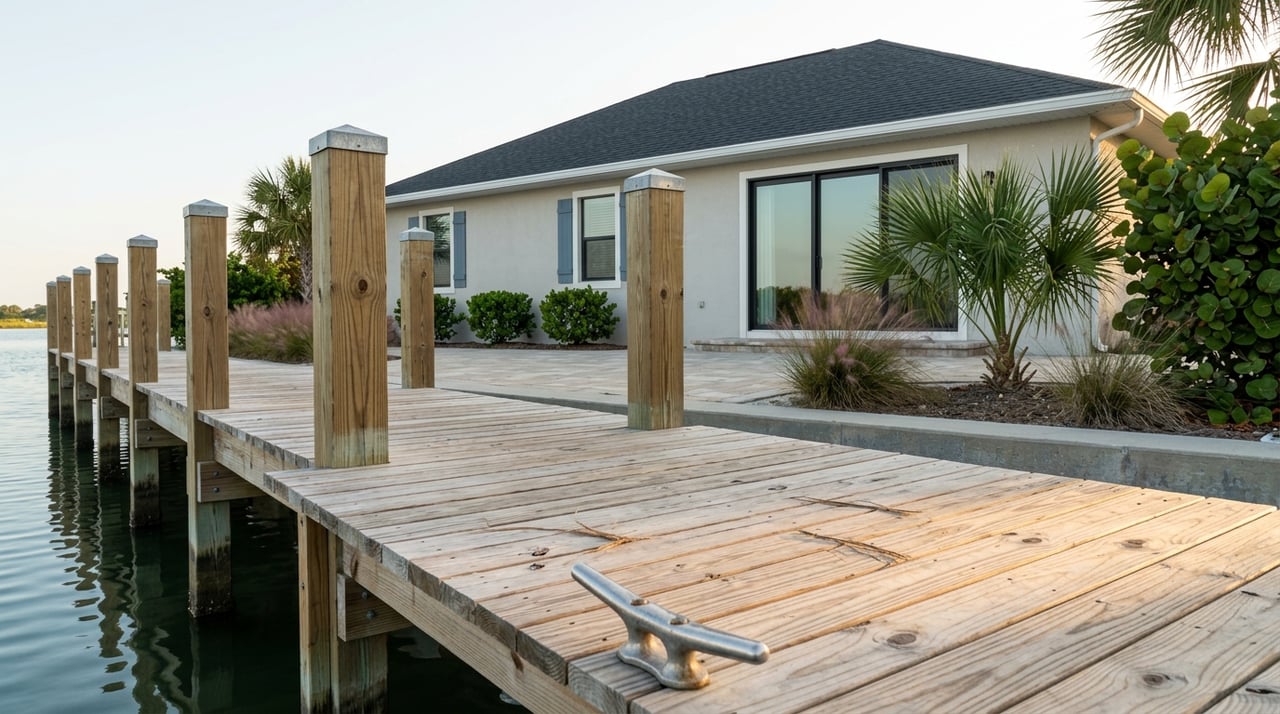
- Flood-related or seawall maintenance in waterfront communities.
What fees usually do not cover
- Interior repairs inside your unit, unless your declaration states otherwise.
- Your personal property and liability inside the unit. An HO-6 policy typically covers these.
- Your mortgage or property taxes.
- Flood insurance for your interior finishes. Many owners in flood zones carry a separate flood policy.
- Special assessments for large projects or storm damage if reserves are underfunded.
Why Cocoa Beach fees vary
Two buildings on the same street can have very different costs. The mix of services, insurance, reserves, and the building’s condition all play a role.
Salt air, storms, and insurance
Salt air accelerates corrosion on railings, HVAC components, and structural elements. Coastal exposure also affects insurance rates. Master policies in Florida often carry high hurricane and wind deductibles, which can impact fees or lead to assessments.
Flood zones and seawalls
Waterfront buildings may maintain seawalls or docks, which add to budgets and long-term reserves. To understand flood exposure, review your property’s flood zone using the FEMA Flood Map Service Center.
Age, inspections, and safety updates
Older coastal buildings often require more concrete restoration, balcony work, or system upgrades. Post-2021 building-safety attention in Florida has increased the focus on engineering reports and structural repairs. Confirm your building’s inspection history and any required recertifications or local safety programs.
Florida rules that shape fees
Condominium associations in Florida operate under the Florida Condominium Act, Chapter 718. The law outlines budgeting, financial reporting, owners’ rights to review records, and the association’s lien rights for unpaid assessments. For consumer guidance and association oversight resources, visit the Florida DBPR Division of Condominiums.
When a unit is sold, the association issues an estoppel certificate that shows current dues, outstanding assessments, and relevant financial or legal flags. Review this carefully before closing.
How to read a condo’s budget
You do not need to be an accountant to spot the big themes. Focus on four buckets: operations, insurance, management/professional, and reserves.
- Scan operations for utilities, maintenance, pool, landscaping, elevators, and pest control. If water and sewer are included, overall dues may be higher but your personal utility bills will be lower.
- Review the insurance line. Compare current premiums to last year. Sharp increases may suggest a premium spike or reduced coverage.
- Look at professional fees and management costs. Sudden jumps can reflect legal matters or new contracts.
- Study reserves. A healthy reserve plan lists major components and contributions per year. If reserves are thin and major projects are looming, expect increases or special assessments.
For added context, check recent permits and major repair history through Brevard County’s records. You can explore property details on the Brevard County Property Appraiser and review permit information via Brevard County Planning and Development.
Due diligence checklist for buyers
Request these items before you commit:
- Declaration, bylaws, articles of incorporation, and rules and regulations.
- Current year budget, prior year actuals, balance sheet, profit and loss, and accounts receivable aging.
- Most recent reserve study and reports showing recent reserve withdrawals.
- Minutes from the last 12 to 24 months of board meetings.
- Insurance certificate and summary of coverage, limits, and deductibles for the master policy.
- Estoppel certificate detailing current dues and any outstanding obligations.
- List of pending litigation, claims, or liens.
- Engineering or structural inspection reports, especially for older coastal buildings.
- Records of recent major repairs such as roof, concrete restoration, or seawall work.
- Management contract and key vendor contracts like elevators, landscaping, and pool service.
Smart questions to ask the HOA
- What exactly do the fees include, and which utilities are owners responsible for?
- How much is currently in reserves, and what percent funded is the recommended reserve plan?
- When was the last reserve study, and when is the next one scheduled?
- Are there planned special assessments or large capital projects this year or next?
- What is the hurricane or wind deductible on the master policy, and how would it be allocated to unit owners?
- What parts of interior coverage are owners responsible for under the master policy definition of “unit” coverage?
- Are there any active lawsuits or insurance claims?
- What is the current delinquency rate on assessments, and how are delinquencies handled?
- Is the condominium currently approved for FHA or VA financing?
- Are any rule changes planned that could affect rentals, pets, or use of amenities?
Red flags to watch for
- Little or no reserves and no plan to fund them.
- Repeated or large special assessments in recent years.
- High delinquency rates or frequent owner lawsuits.
- Pending major litigation with unclear exposure.
- Incomplete financial records or reluctance to provide documents.
- Significant deferred maintenance such as rusted balcony rails, spalling concrete, roof leaks, or compromised seawalls.
Plan your monthly costs with confidence
Condo fees are only one part of your monthly budget. Build in your HO-6 policy to protect interior finishes, personal property, and loss of use. Consider adding loss assessment coverage, which can help with your share of an association deductible or a special assessment tied to an insured loss. If your unit is in a flood zone, price a separate flood policy, since master flood coverage for interiors is uncommon.
When you add it up, compare apples to apples. A building with higher dues may include water, cable, and robust reserves, which can reduce surprise costs later. A lower-dues building with thin reserves could look affordable today but carry higher risk of special assessments.
The bottom line for Cocoa Beach buyers and sellers
Understanding what your condo fees cover helps you choose the right building, negotiate with clarity, and plan your long-term costs. With the right documents and a few targeted questions, you can spot strong associations, avoid surprise assessments, and enjoy the Space Coast lifestyle with confidence.
If you want a local, high-touch guide to help you compare buildings, budgets, and reserves, connect with Milly Akins. Se habla español.
FAQs
What do Cocoa Beach condo fees usually include?
- Most cover common utilities, routine maintenance, amenities, management, insurance for common areas, and reserves for major projects. Specific inclusions vary by building.
Do condo fees include my unit’s interior insurance?
- No. You typically need an HO-6 policy for interior finishes, personal property, and liability, plus loss assessment coverage and separate flood insurance if required.
How are Florida hurricane deductibles handled by HOAs?
- Many master policies have large wind or hurricane deductibles that associations may allocate to owners according to governing documents, sometimes through special assessments.
What documents should I review before buying a Cocoa Beach condo?
- Ask for the declaration, bylaws, rules, current budget, financials, reserve study, recent minutes, insurance certificates, engineering reports, and the estoppel certificate.
Where can I verify Florida condo rules and consumer guidance?