Choosing Between Indialantic Oceanfront, Canal, And Interior
July 2, 2026
July 2, 2026
If you are house hunting in Indialantic, one choice can shape your whole experience more than almost anything else: do you want to live on the ocean, near a canal or lagoon, or on an interior street? Each option gives you a different version of barrier-island living. If you understand the trade-offs before you start touring homes, you can narrow your search faster and buy with more confidence. Let’s dive in.
Indialantic sits between the Atlantic Ocean and the Indian River Lagoon, so location matters in a very practical way. The closer you are to the ocean, the more direct your exposure to beach activity, salt air, wind, and coastal regulations. The farther inland you go, the more shelter and day-to-day simplicity you usually gain.
That said, Indialantic is compact. The town’s parks and beach amenities show how easy it can be to enjoy the coastal lifestyle even if you do not live directly on the sand. Nance Park offers beach access, a boardwalk, dune crossovers, showers, volleyball courts, parking, and playground features, while Lily Park and Douglas Park add more neighborhood recreation options.
This means an interior home is not the same as being far removed from the coast. In Indialantic, even homes away from the shoreline can still be close to beaches, parks, shops, and restaurants. That is one reason the right choice often comes down to lifestyle fit more than distance alone.
If your dream is to step outside and feel fully immersed in the beach environment, oceanfront living is the clearest fit. You are closest to surf, sunrise views, dune systems, and the public beach rhythm that helps define Indialantic. For some buyers, that connection to the ocean is the whole point.
Oceanfront living also comes with a strong sense of place. The town’s beachside setting, boardwalk areas, and resort-era history give this part of Indialantic a classic coastal identity. Housing along the ocean is best thought of as a mix of older beach properties, updated homes, and custom rebuilds rather than one single home style.
Oceanfront homes usually appeal to buyers who want:
For many people, the value is not only the home itself. It is the ability to make the beach part of your everyday routine, whether that means morning walks, time on the sand, or simply enjoying the view from home.
Oceanfront homes also come with the most coastal exposure. Salt spray, wind, sand, and storms can create more wear on roofs, windows, exterior finishes, and landscaping. In simple terms, these homes often need more hands-on upkeep.
You should also expect more rules and review around construction and site changes near the shore. Florida’s Coastal Construction Control Line program regulates construction and excavation in seaward beach areas because of erosion risk, dune impacts, and sea turtle habitat concerns. In Brevard County, coastal lighting controls, dune protection, and setback rules also play an important role in how oceanfront property is used and maintained.
Another lifestyle factor is seasonal beach management. Brevard County notes that beach fires are not permitted from March 1 through November 1 because of turtle season. On the ocean side, these kinds of rules are part of everyday ownership, not just background information.
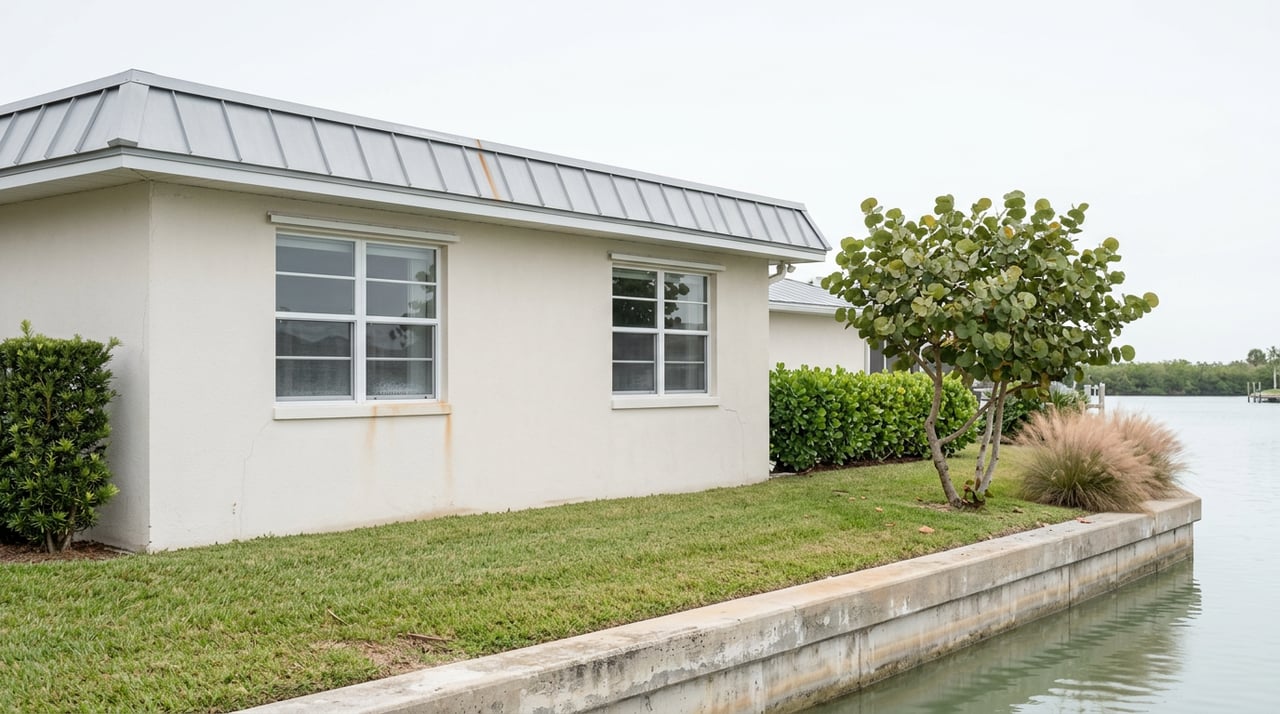
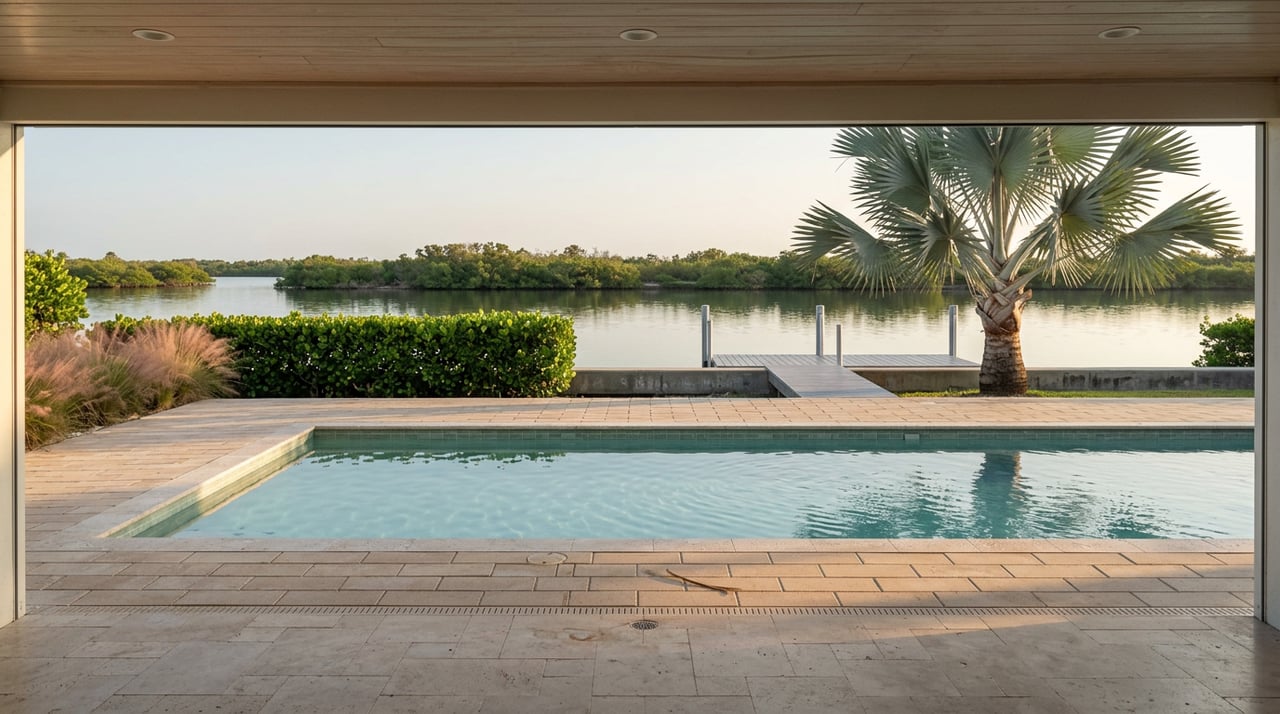
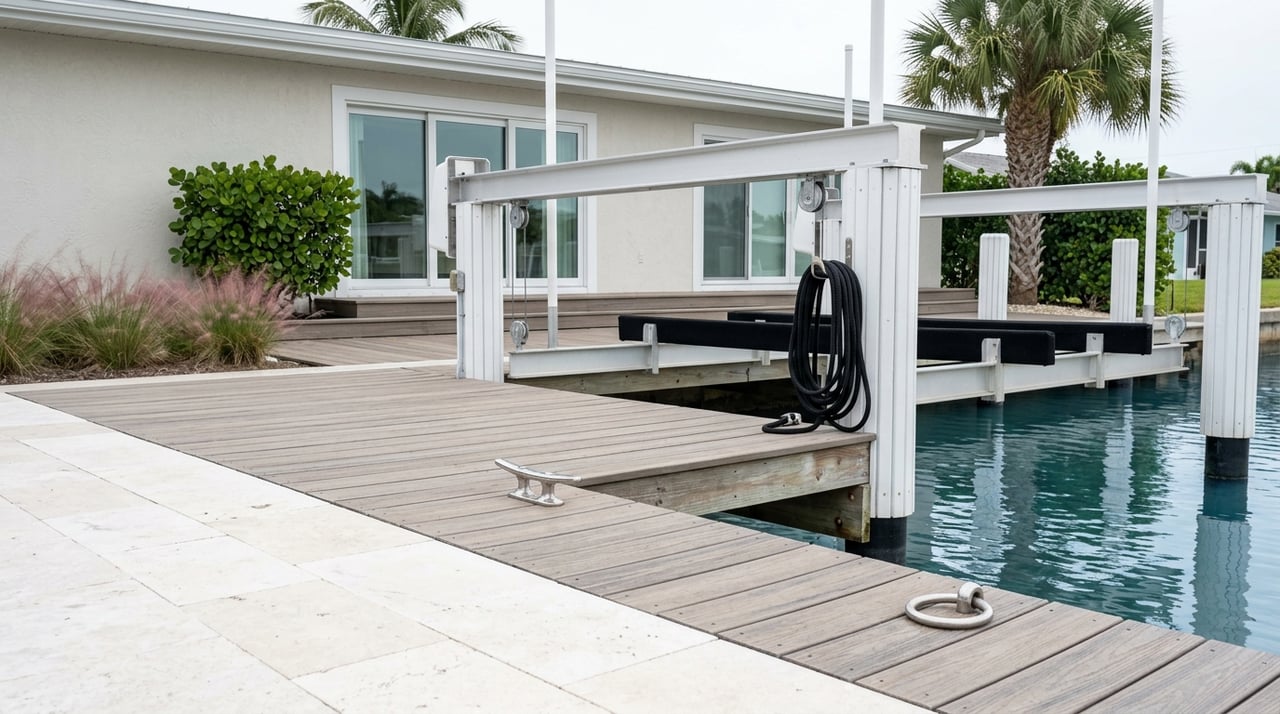
If you want to stay close to the water without being in the middle of the beachfront setting, canal-adjacent or lagoon-side living can offer a helpful middle ground. These homes often feel more sheltered and residential while still giving you a strong connection to the waterfront character of the barrier island.
On this side of Indialantic, the daily experience is usually less about surf traffic and dune access and more about water awareness in a different form. Local planning efforts along Riverside Drive and the broader barrier-island plan put a lot of focus on drainage, stormwater management, and Indian River Lagoon water quality. That gives you a clue about what matters most in these areas.
Canal-adjacent and lagoon-side homes often appeal to buyers who want:
For many buyers, this option feels like a sweet spot. You still get the atmosphere of living near the water, but the maintenance demands may feel a bit more manageable than oceanfront ownership.
These homes are not maintenance-free. You still need to think about flooding, stormwater flow, humidity, mosquitoes, and the condition of any shoreline improvements tied to the lot. Each property can differ quite a bit, so details matter.
Flood zone review is especially important. FEMA’s guidance explains that Special Flood Hazard Areas are shown on official flood maps, and the base flood is the flood with a 1% chance of occurring in any given year. If a home is in that mapped risk area and you use a federally regulated mortgage lender, flood insurance may be required.
Housing styles on the lagoon-side and canal-adjacent areas are also mixed. Because Indialantic developed over many decades, you may see older single-family homes, remodeled properties, and practical waterfront-oriented houses rather than one standard look.
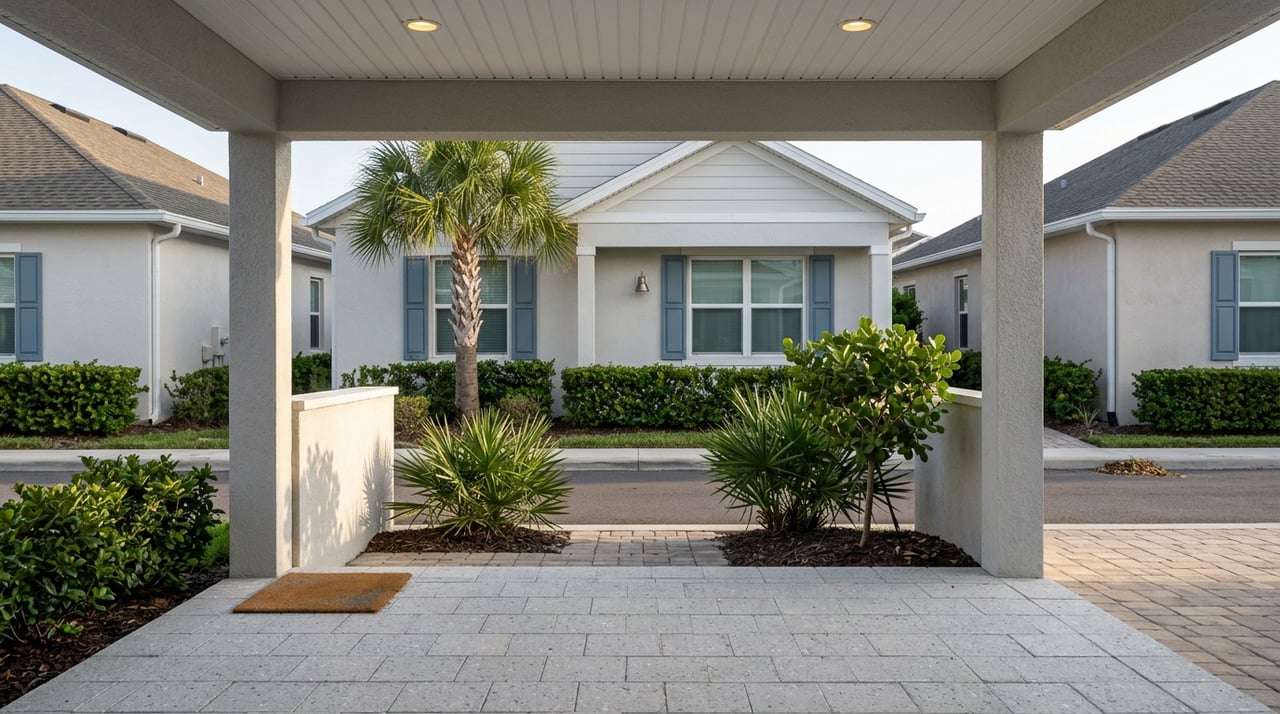
If your top priorities are simpler upkeep, easier outdoor use, and less direct exposure to salt and sand, an interior home may be your best fit. These homes are usually the most forgiving when it comes to daily wear from the coastal environment. That can matter a lot if you want low-stress ownership.
Interior living often works well for buyers who want to enjoy Indialantic’s beachside location without having the beach environment right outside the door every day. Because the town is small and connected, you can still reach parks, ocean access, and lagoon-side areas without feeling far away from what makes the community special.
Interior homes often appeal to buyers who want:
This option can be especially attractive if you love the barrier-island lifestyle but want it in a more practical, everyday format. For many households, that balance feels right.
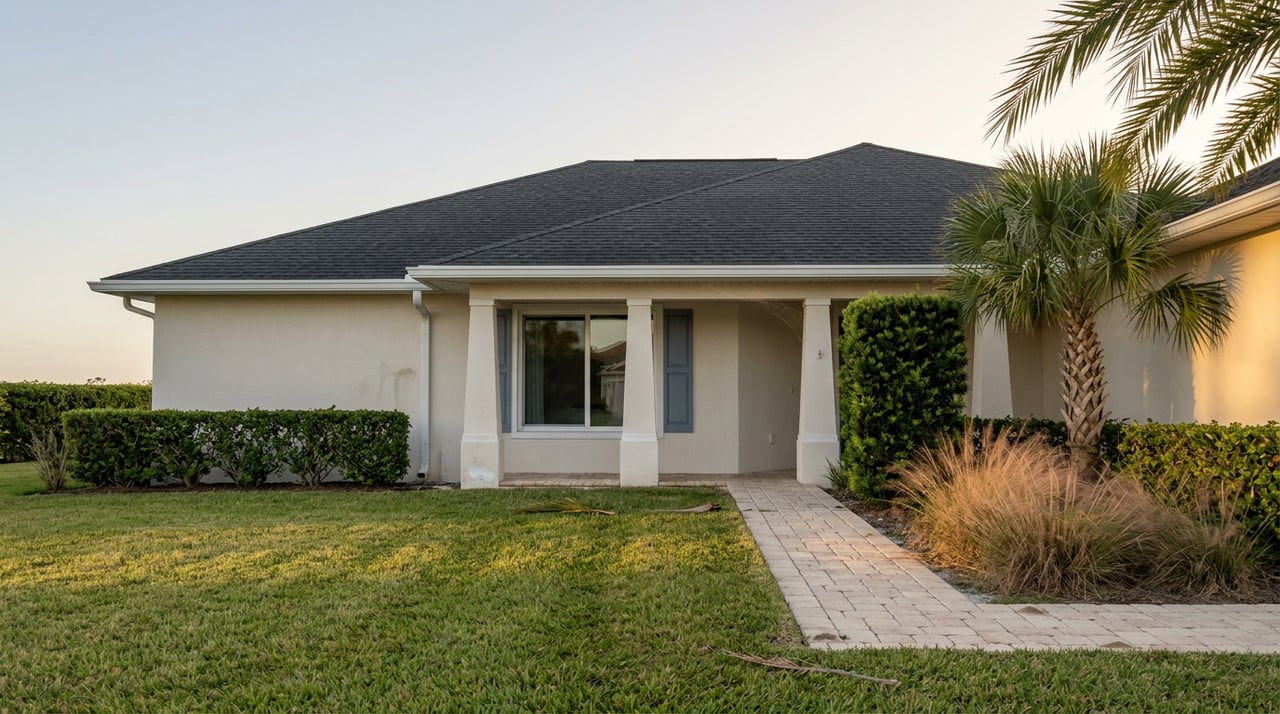
Interior streets are often where you will see the broadest range of homes. Based on the town’s long development history, buyers may find conventional single-family homes, cottages, ranch-style properties, and updated older homes. These areas are generally less defined by site-specific coastal building conditions than the oceanfront.
The best choice depends on how you want to live, not just what looks good in photos. A beautiful oceanfront home may be perfect for one buyer and too much upkeep for another. A quiet interior street may feel like a compromise to one person and the smartest long-term fit to someone else.
Here is a simple way to think about it:
In all three cases, it helps to look closely at flood maps, insurance considerations, permitting questions, and jurisdiction details early in the process. The Town of Indialantic notes that its approximate boundaries run from Miami Avenue to the south and Watson Avenue to the north, and some properties north of that line may carry an Indialantic mailing address while being in another jurisdiction. That is an easy detail to miss if you are relocating or shopping from out of town.
A good home search in Indialantic is not just about finding a property you like. It is about matching your lifestyle, maintenance comfort level, and long-term goals to the right part of town.
If you want help narrowing down oceanfront, canal-side, or interior options in Indialantic, Milly Akins can help you compare the lifestyle and property details so you can move forward with clarity.
Stay up to date on the latest real estate trends.
Milly is active in her community, loves spending time with her family and Belgian Malinois, and believes in helping others. She works with both buyers and sellers and is ready to show you what a seamless real estate experience feels like.