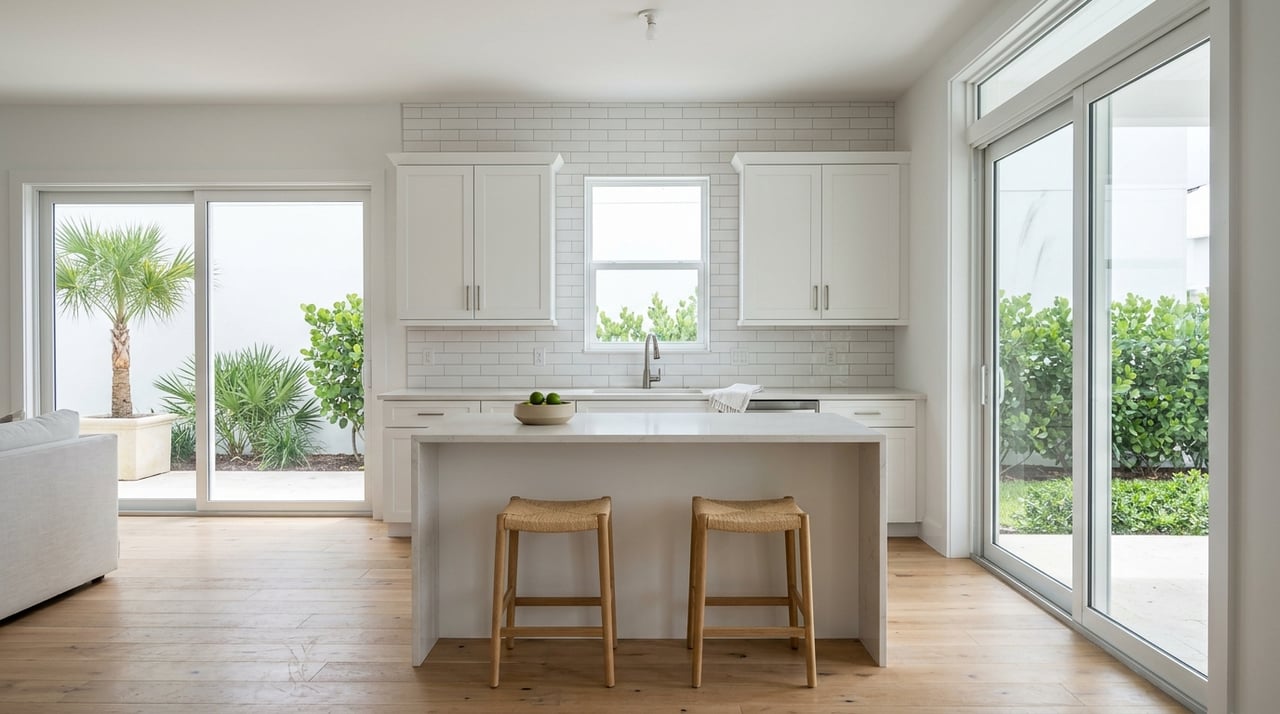
Selling A Melbourne Beach Second Home From Afar
June 25, 2026
June 25, 2026
Selling a second home from another city or another state can feel like trying to manage a moving target by phone. If your property is in Melbourne Beach, that challenge can feel even bigger because coastal homes often come with extra details around condition, timing, permits, weather, and access. The good news is that with the right local plan, you can sell smoothly, protect your time, and keep the process organized from start to finish. Let’s dive in.
Selling from afar is not just about signing documents electronically. In Melbourne Beach, your sale may also involve coastal property concerns, town permitting, storm prep, exterior upkeep, and buyer questions about condition history.
The Town of Melbourne Beach Building Department oversees building code, flood control, coastal construction, coastal setback regulation, landscaping, and tree review. The town also offers online permitting and accepts emailed submissions, which helps make remote coordination more practical when you are not local.
That said, practical does not mean hands-off. You still need someone on the ground who can help coordinate access, communicate with vendors, track prep work, and keep the listing moving forward.
Before photos, repairs, or pricing, it helps to begin with a clear virtual planning session. This is where you align on your goals, target timing, property access, likely prep needs, and how much hands-on support you want during the process.
You should also gather your key property documents early. For a second-home sale, useful records often include your deed, HOA or condo documents if they apply, prior permits, warranties, insurance declarations, and any inspection or repair records you have on hand.
This early document review matters because remote sellers often lose time searching for paperwork after the home goes live. A cleaner file at the start usually leads to smoother buyer communication later.
In Melbourne Beach, home prep is not only about appearance. It can also involve local review related to building, flood control, landscaping, tree work, or coastal improvements.
If your home needs repairs before listing, the Town of Melbourne Beach Building Department is the office that handles those areas. The town states that online permitting services are available and emailed submissions are accepted, but permit documents must use the current town form, include required signatures, and list current contractor information.
For a remote owner, this is one of the biggest reasons local coordination matters. If a contractor has a question, a form needs to be updated, or access needs to be arranged, having a trusted local point person can help keep your prep timeline from stretching out.
Melbourne Beach is part of a coastal environment where storm resilience and outdoor condition carry real weight. Brevard County’s beach management program uses beach-quality sand and native dune vegetation to help protect upland property and maintain healthy beaches.
That broader coastal setting is a helpful reminder that buyers may pay close attention to exterior maintenance, drainage, and how the property has been cared for over time. Clean, well-documented upkeep can support buyer confidence, especially when you are selling from a distance.
In this area, curb appeal and local environmental standards can overlap. The town’s stormwater program is designed to reduce nutrient runoff into the Indian River Lagoon and promotes swales, lagoon-friendly landscaping, and a summer fertilizer ban from June 1 through September 30.
If your home has overgrown landscaping, neglected swales, or an exterior that needs cleanup, it is smart to address that with local rules in mind. A tidy, well-maintained exterior can help your property show better while also avoiding last-minute confusion about what should or should not be done before listing.
One of the biggest concerns for out-of-town owners is simple: who is checking on the house? That question becomes even more important once repairs, staging touches, photography, and showings begin.
The Town of Melbourne Beach Police Department does offer a vacant and vacation house check request, but the town states that officers will not check houses that are for sale, rent, vacant, or occupied by someone staying there. For a listed second home, that means you should not assume that program will cover the property during the sale.
Instead, your sale plan should include clear access and security steps, such as:
When these details are handled early, the rest of the process tends to feel much more manageable.
If you are selling from afar, there is a good chance some of your buyers will also begin their search from afar. That makes strong digital presentation especially important.
A remote-friendly listing package should make it easy for buyers to understand the home before they ever step inside. Professional photos, video, and virtual tours can help buyers evaluate layout, finishes, outdoor spaces, and overall condition more confidently.
For a Melbourne Beach second home, buyers may also want a clearer picture of the property’s repair history, major system updates, insurance context, flood-related information, and outdoor condition. Presenting those details in an organized way can reduce uncertainty and help serious buyers move forward faster.
Distance does not reduce your disclosure obligations. If you know about issues that materially affect the value of a residential property, are not readily observable, and are not known to the buyer, those issues may need to be disclosed.
Florida legal guidance often points sellers back to the core rule from Johnson v. Davis. The Florida Bar also notes that an as-is rider does not remove a seller’s obligation to disclose known facts of that kind.
For a coastal second home, that may include items such as:
The goal is not to overwhelm buyers. It is to create a clean, honest paper trail that supports a smoother transaction and reduces surprises later.
In Florida, weather should be part of your listing strategy from day one. The Atlantic hurricane season runs from June 1 through November 30, so storm timing can affect prep schedules, insurance conversations, travel plans, and showing logistics.
That does not mean you should avoid listing during that window. It means you should build a plan that accounts for weather, backup access, and any storm-related property readiness before your home hits the market.
Flood review should also be part of that planning. FEMA’s Flood Map Service Center is the official public source for flood-hazard information, so checking flood mapping before listing can help you prepare for buyer questions early rather than scrambling later.
Many sellers worry that being out of town will make the paperwork side difficult. In Florida, remote-friendly tools can make the process much easier.
Florida law generally gives electronic signatures the same force and effect as handwritten signatures unless another law says otherwise. Florida also allows electronic notarization, and the online-notarization statute allows the principal or witnesses to be outside Florida as long as the online notary is properly located and the process follows state requirements.
Florida’s recording laws also support this kind of closing process. A conveyance, transfer, or mortgage of real property must be recorded to be effective against creditors and later purchasers without notice, and a document accepted for recordation is validly recorded even if it was signed, witnessed, or notarized electronically under the law.
In plain terms, that means a well-managed remote closing can absolutely work in Florida. The key is staying organized and following the proper signing and recording steps.
Remote closings are convenient, but they also require caution. Wire fraud remains a real risk in real estate transactions.
The FTC warns that wiring money is often like sending cash and can be hard to reverse. The FBI’s 2025 IC3 report also describes real estate closing scams in which victims received fraudulent wire instructions from emails impersonating a title company or attorney.
A few simple habits can help protect you:
If something feels off, pause and verify before acting.
When you sell a Melbourne Beach second home from afar, success usually comes down to preparation and local coordination. You need a clear plan for documents, repairs, permits, security, marketing, disclosures, weather, and closing.
That is where a high-touch local approach can make a real difference. With strong communication, organized systems, and polished listing presentation, you can stay informed without having to be physically present for every step.
If you are thinking about selling your Melbourne Beach second home and want a clear plan built around your timeline, reach out to Milly Akins for your free home valuation.
Stay up to date on the latest real estate trends.
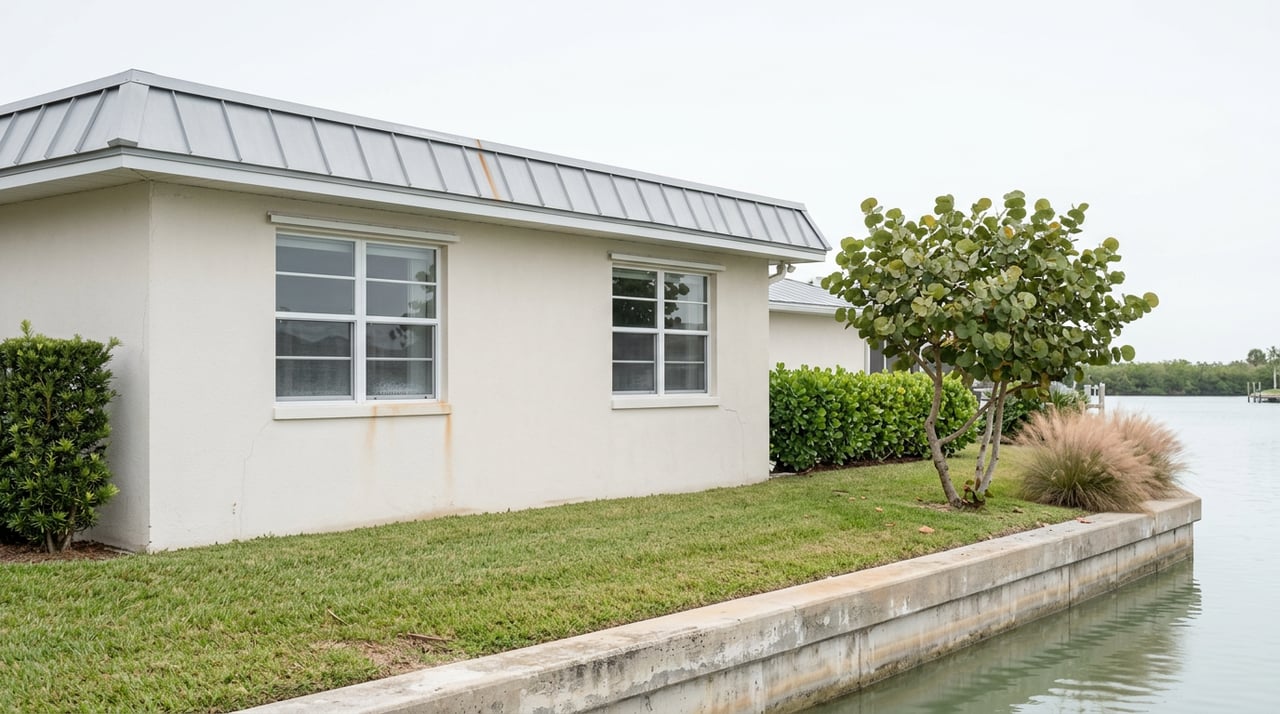
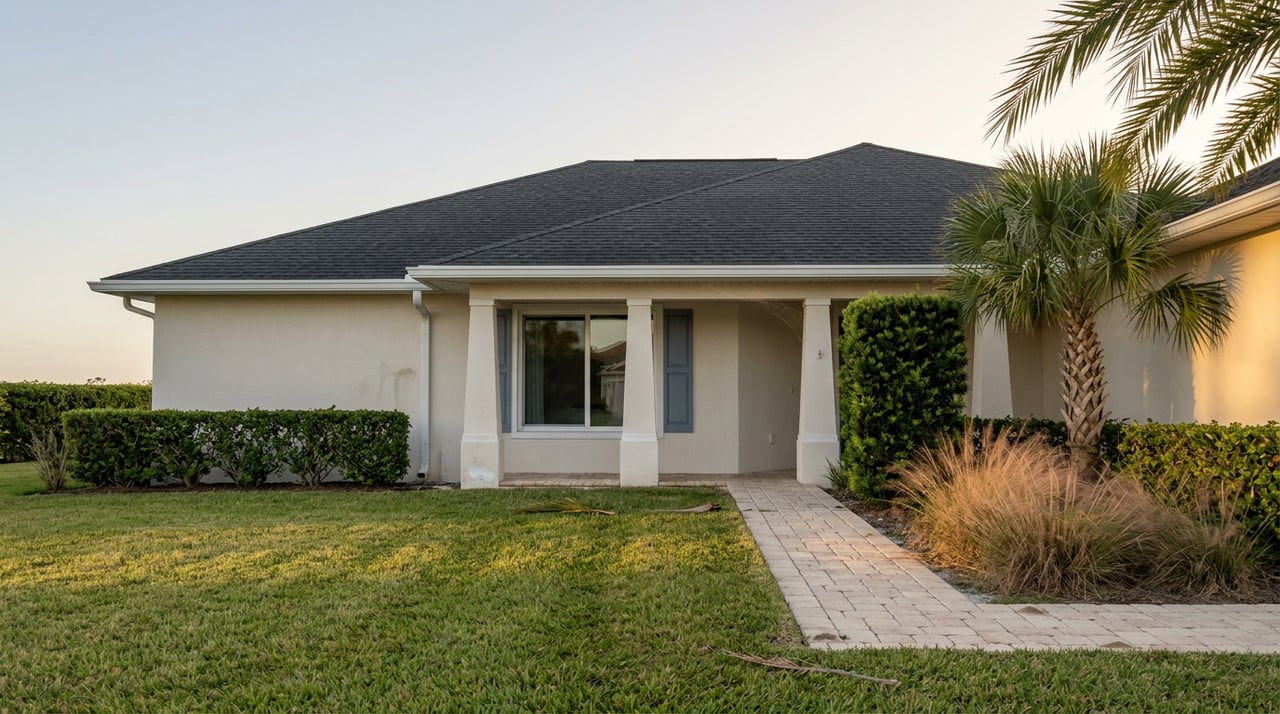
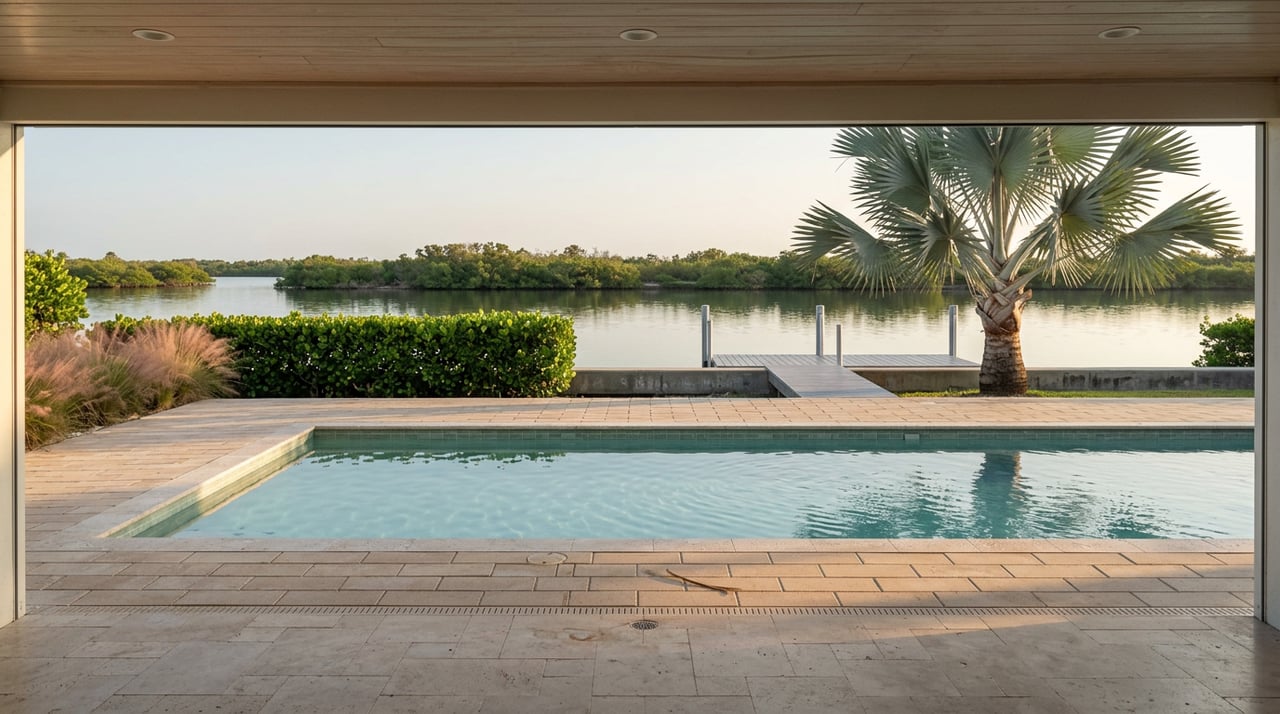
Milly is active in her community, loves spending time with her family and Belgian Malinois, and believes in helping others. She works with both buyers and sellers and is ready to show you what a seamless real estate experience feels like.